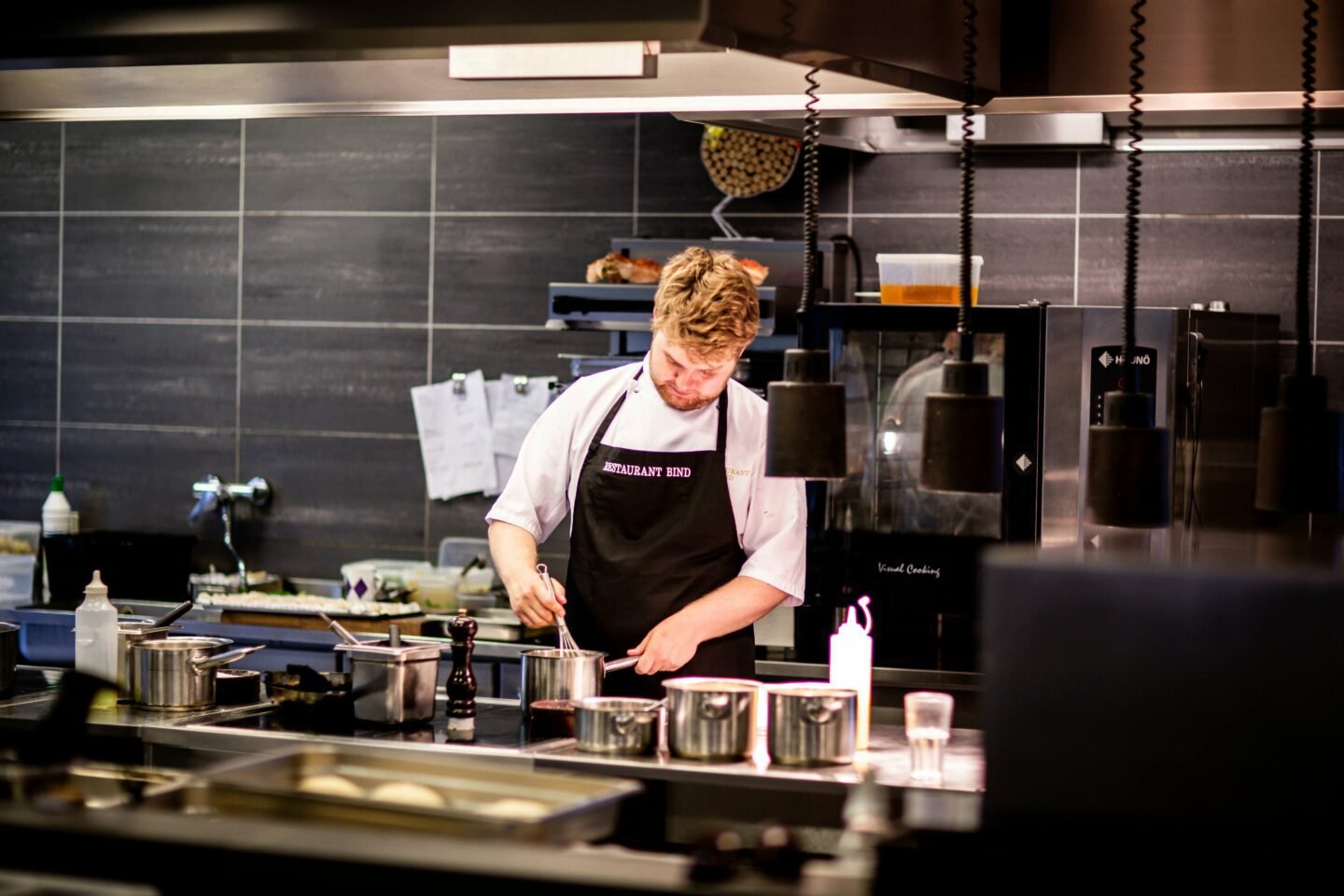
Shared spaces are where good intentions meet real life. A kitchen, studio, workshop or open office may be designed beautifully, but the moment multiple people begin using it, appearance alone stops working. Movement overlaps. Tools travel. Spills happen. People arrive with different habits and different rhythms.
In these environments, style can’t survive on looks alone. It needs to function. Practical style is what allows a shared space to stay calm while being constantly used.
When Many People Use One Space
A private environment adapts to one person’s preferences. A shared environment must adapt to everyone. Someone moves quickly. Someone pauses often. Someone cleans as they go. Someone cleans later. The design has to tolerate all of them at once.
This is why practical style matters. Instead of demanding perfect behaviour, the environment absorbs variation. Surfaces clean easily. Storage is obvious. Clothing protects the wearer rather than the wearer protecting the clothing.
The goal isn’t to control people; it’s to remove friction between them.
Visual Order Comes From Functional Order
People often try to create calm through decoration. Matching colours, symmetrical layouts and carefully chosen objects. Yet in shared environments, visual calm only lasts until the first busy hour.
True order comes from function. When every item has a natural resting place, people put it back automatically. When materials tolerate use, they remain neat longer. When garments move comfortably, people work without constant adjustment.
Style, in this context, isn’t what you add; it’s what stops needing correction.
Clothing Is Part of the Environment
We often think of interiors as the space and clothing as separate. In shared settings they become one system. The behaviour of clothing directly affects the behaviour of the room.
If clothing restricts movement, people move cautiously and congestion increases.
If clothing stains easily, attention shifts from task to preservation.
If clothing overheats, concentration drops.
Workwear designed for repeated activity prevents these small disruptions. Durable garments built for motion, such as those found at https://www.bragardusa.com/, exist because shared environments demand reliability more than appearance. They allow people to move naturally within the space rather than negotiating with it.
When people stop managing what they’re wearing, the shared area feels calmer for everyone.
Predictability Creates Cooperation
Shared spaces run on expectation. People learn patterns quickly:
- Where someone will step back
- When a surface will be clear
- Which path stays open
Consistency replaces instruction. The environment teaches behaviour quietly through layout and practicality. This is why practical style feels welcoming. It doesn’t require explanation; new users understand it immediately.
Durability Is a Form of Courtesy
In shared settings, fragile design becomes a burden on others. If one person must constantly avoid damaging something delicate, everyone else adapts too.
Durability isn’t just about longevity; it’s about consideration. Materials that withstand use remove anxiety from the group. People act naturally instead of carefully. A robust environment communicates permission to participate.
The Comfort of Neutral Attention
The best shared spaces don’t demand awareness. You don’t think about the chair you sit on, the surface you place items on or the clothing you move in. Your focus remains on conversation, work or creativity. Practical style creates that neutrality. Nothing competes for attention, so interaction becomes easier.
Why It Always Feels Better
People often describe well-designed shared environments as relaxed. That feeling doesn’t come from decoration alone; it comes from predictability, tolerance and movement support. When the environment cooperates, people cooperate.
The Real Definition of Style
In private spaces, style can be expressive. In shared spaces, style becomes supportive. It exists to help many people function comfortably together.
Practical style isn’t less refined; it’s simply more considerate. It recognises that beauty in a shared place is measured by how easily people exist within it.
The spaces that feel best are rarely the ones that look untouched; they’re the ones that stay comfortable even while being used constantly.