Curves are quickly becoming a defining feature of modern homes, marking a clear departure from the rigid, straight lines that once dominated interior and architectural design. Today’s homeowners and designers are embracing softer, more fluid forms that create a sense of warmth and movement. This shift is evident in many aspects of the home, from rounded furniture to arched doorways. Design experts highlight how incorporating curved sofas can soften living spaces and encourage a more relaxed atmosphere, while architectural features like arched openings help create a natural flow between rooms. These elements reflect a broader desire for spaces that feel inviting rather than structured.
Within this trend, curved windows are emerging as a standout feature. They not only enhance the aesthetic appeal of a home but also transform how light, space, and views are experienced. As curves continue to shape modern interiors, curved windows are becoming a key element in redefining residential design.
How Curved Windows Are Created
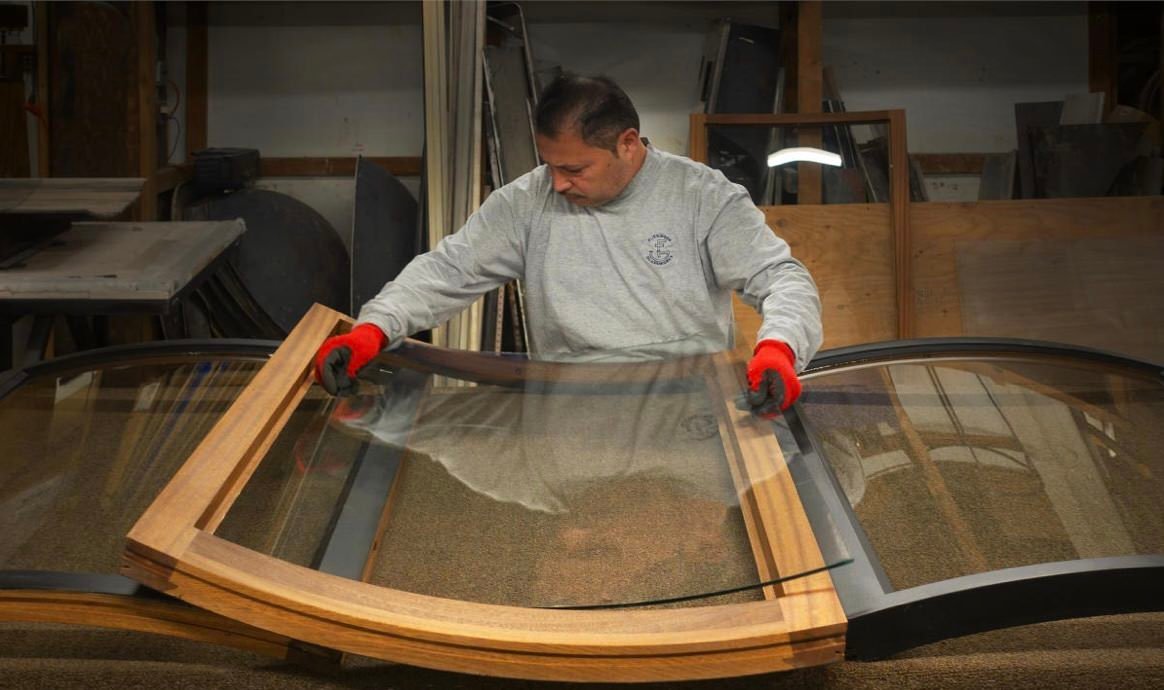
The rise of curved windows has been made possible by advancements in glass manufacturing. Unlike traditional flat panes, curved glass is formed through specialized processes such as heat bending. In this method, glass is heated to a high temperature until it becomes pliable, then carefully shaped over a mold to achieve the desired curve. Once cooled, curved windows retain form while maintaining strength and clarity. Modern techniques also allow for double-glazed or insulated curved glass, ensuring that these windows meet energy efficiency standards. Precision is essential throughout the process, as each pane must be custom-made to fit its specific application. This level of craftsmanship is one reason curved windows are often associated with high-end design, though they are gradually becoming more accessible as technology advances.
From Boxy Layouts to Organic Design
For many years, residential architecture favored boxy layouts defined by straight walls and sharp corners. While efficient, these designs can sometimes feel restrictive or repetitive. The introduction of curved windows supports a broader shift toward organic, flowing layouts that better reflect natural forms.
Curves break up rigid geometry, allowing spaces to feel more dynamic and interconnected. Instead of abrupt transitions, rooms flow into one another more naturally, creating a sense of continuity throughout the home. This approach aligns with contemporary design philosophies that prioritize comfort, movement, and visual harmony.
Growing Popularity in Luxury Homes and Renovations
Curved windows have become particularly popular in luxury homes, where architects and designers are constantly seeking ways to create distinctive and memorable spaces. Their unique shape adds a sense of sophistication and exclusivity, making them a desirable feature in high-end properties.
At the same time, curved windows are increasingly being incorporated into renovation projects. Homeowners looking to modernize older properties often use curved elements to soften existing structures and introduce a more contemporary feel. Whether as a dramatic focal point or a subtle design enhancement, curved windows can significantly elevate a home’s overall aesthetic.
Panoramic Views and Enhanced Connection to the Outdoors
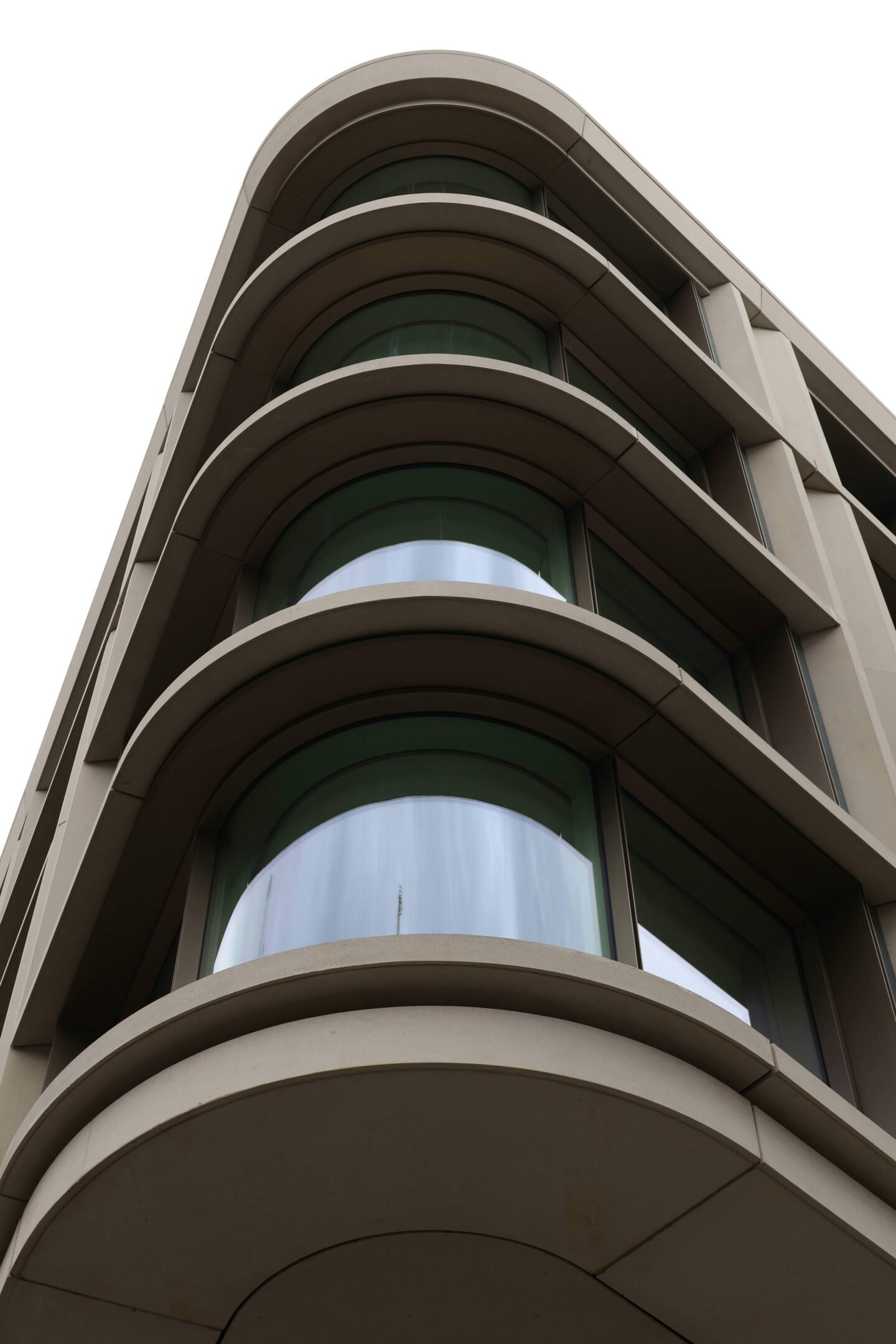
One of the most striking advantages of curved windows is their ability to create panoramic views. Unlike flat windows that frame the outdoors in a limited way, curved glass expands the field of vision, offering a more immersive experience. This is especially valuable in homes with scenic surroundings, where maximizing views is a priority.
By wrapping around corners or extending outward, curved windows allow homeowners to enjoy uninterrupted sightlines. This design not only enhances visual appeal but also strengthens the connection between indoor and outdoor spaces. The result is a living environment that feels more open and integrated with nature.
Natural Light and a Sense of Openness
Curved windows also play a significant role in maximizing natural light. Their shape allows sunlight to enter from multiple angles throughout the day, creating a brighter and more evenly lit interior. This reduces the need for artificial lighting and contributes to a more energy-efficient home.
Beyond practical benefits, increased natural light has a profound impact on how a space feels. Rooms appear larger, airier, and more inviting. The gentle diffusion of light across curved surfaces adds depth and softness, enhancing the overall atmosphere of the home.
Influence of Modern Lifestyle Trends
The growing popularity of curved windows is closely tied to broader lifestyle trends such as minimalism and comfort-focused living. Modern homeowners are increasingly seeking spaces that feel calm, uncluttered, and harmonious. Curved forms naturally support these goals by reducing visual harshness and creating a more relaxed environment.
Minimalist design often emphasizes simplicity, but this does not have to mean rigid or stark. Curved windows introduce subtle complexity without overwhelming the space, striking a balance between clean lines and visual interest. At the same time, the emphasis on comfort and well-being encourages designs that feel welcoming and human-centered—qualities that curves inherently provide.
Conclusion: A Softer Future for Home Design
Curved windows are redefining what modern homes look and feel like. By replacing rigid lines with softer, more inviting forms, they bring a sense of elegance, openness, and connection to residential spaces. From their innovative manufacturing processes to their impact on light, views, and layout, curved windows represent a significant evolution in home design.
As homeowners and designers continue to prioritize comfort, individuality, and connection to the environment, the demand for curved elements is likely to grow. In this context, curved windows are more than just a trend—they are a reflection of a broader shift toward homes that are not only functional but also deeply attuned to how people want to live. For more home design ideas, do check out our blog.