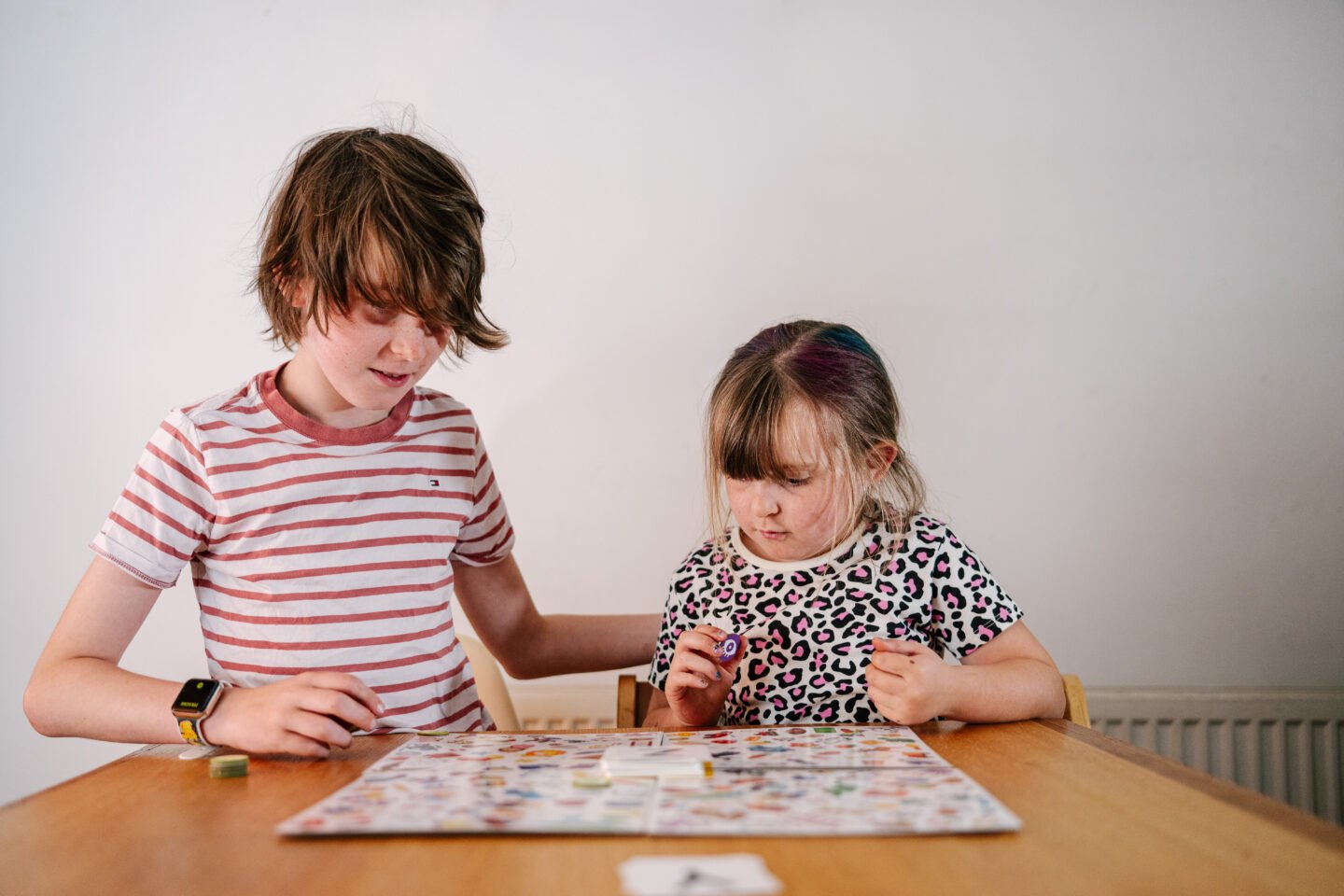
If you’re looking for a screen-free family game that is genuinely fun for both younger and older children, Eye Spy With My Little Eye Board Game might be one to add to your shelf. We’ve played a lot of family games over the years, and some end up forgotten after a couple of rounds, but this one has been pulled out again and again because it works for different ages and doesn’t feel repetitive.
At first glance it looks simple, but once you start playing you realise there’s a lot more thinking involved than you’d expect. It mixes observation, vocabulary and quick thinking in a way that feels more like fun than learning, which is always a win in our house.
You can find the game here on Amazon UK.
READ BELOW TO FIND OUT ALL ABOUT EYE SPY WITH MY LITTLE EYE BOARD GAME AND WHAT WE THOUGHT OF IT!
The game was gifted for review purposes but all words, photos and opinions are my own
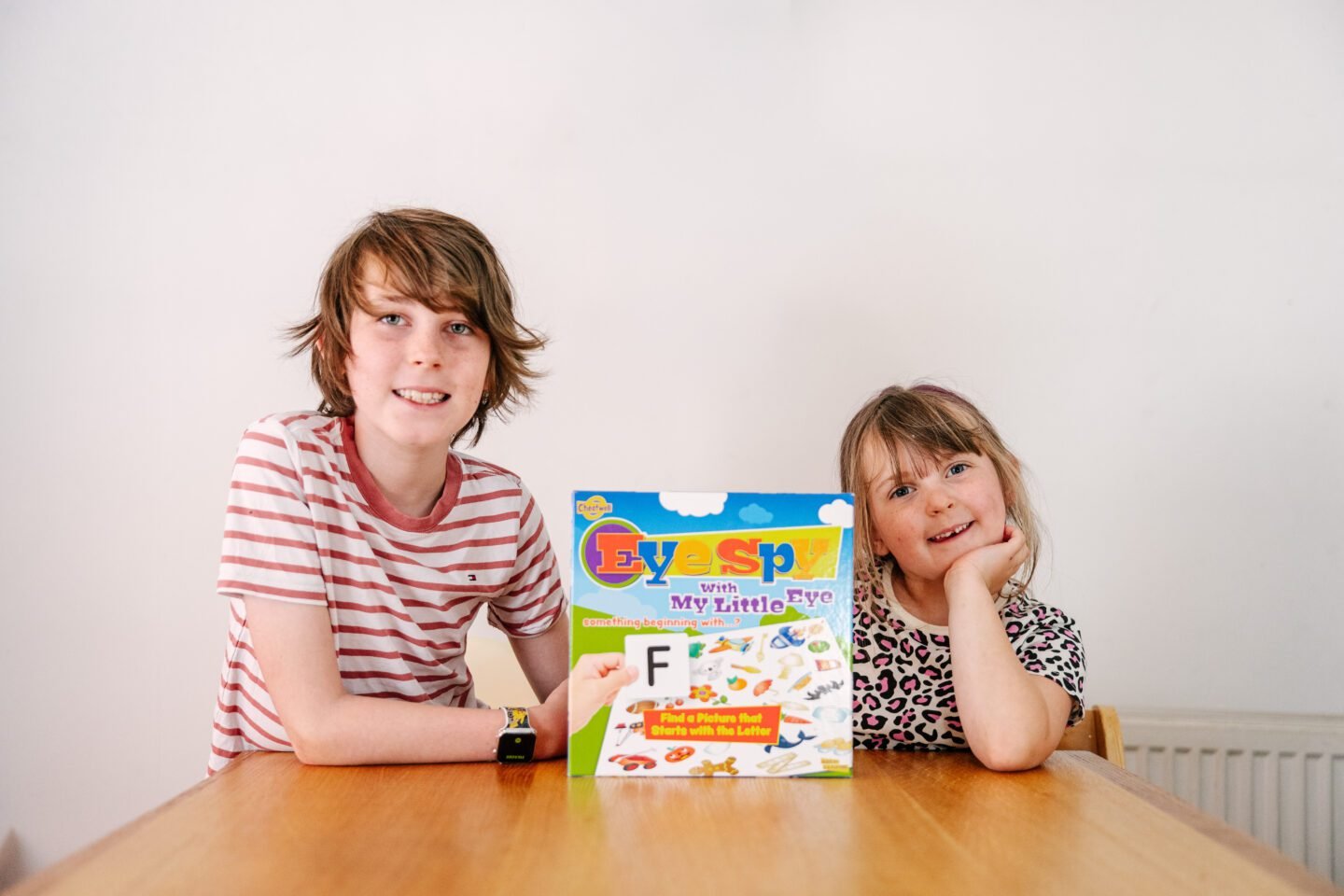
What Is Eye Spy With My Little Eye?
Eye Spy With My Little Eye Board Game is one of those family games that looks simple at first but quickly turns competitive once everyone gets involved. It’s fast-paced, easy to learn and works surprisingly well across different age groups, which can be hard to find in family board games.
The aim is all about observation and quick thinking, with players racing against each other to spot the correct images before anyone else does. Because everyone is searching at the same time, it creates that chaotic, laugh-out-loud energy that keeps children engaged without feeling like an educational activity.
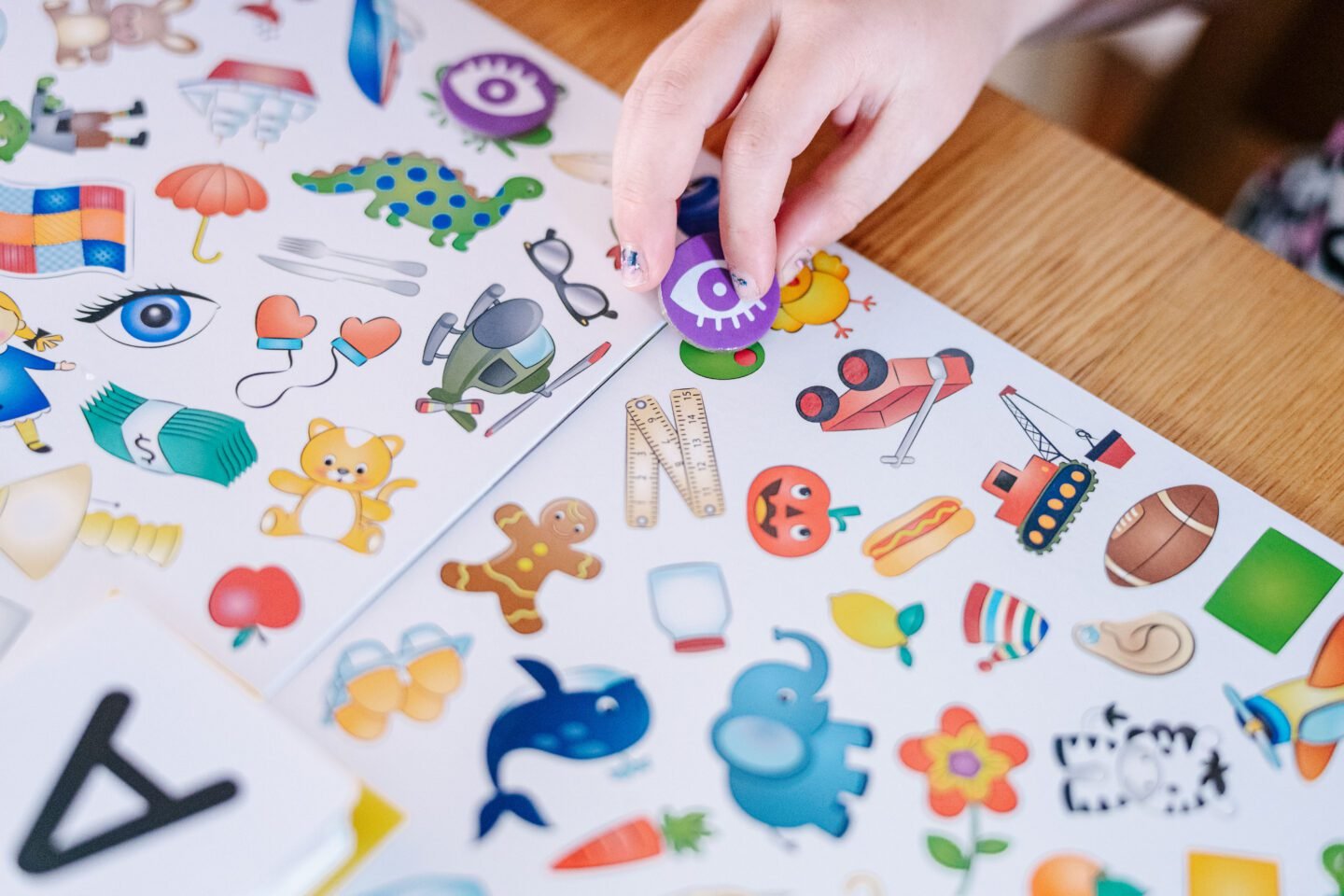
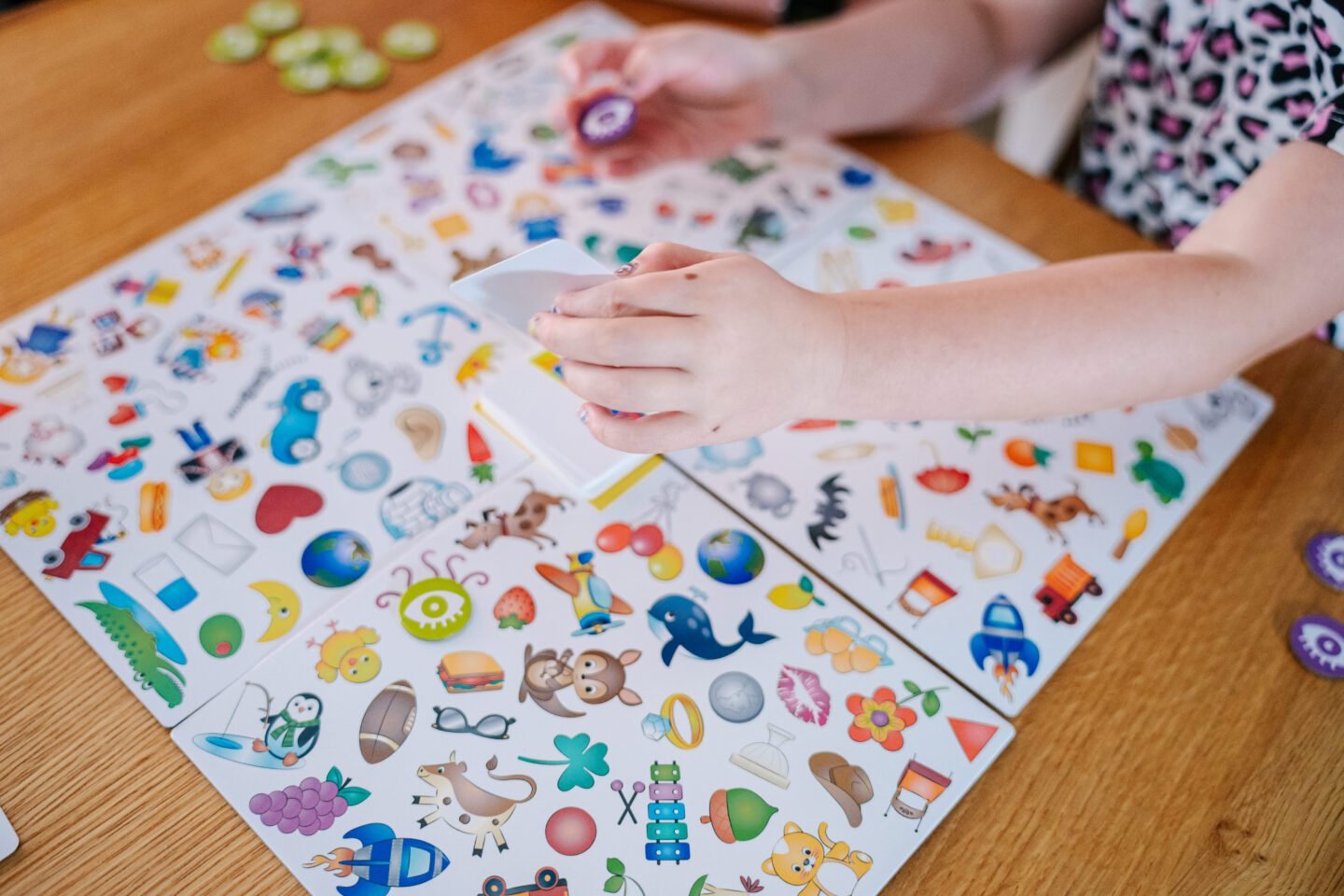
What makes it even more fun is that there can sometimes be several possible answers for the same image. A picture of a dog, for example, might lead to answers like “dog”, “puppy” or “pet”. It gets children thinking differently and naturally encourages vocabulary development while they play.
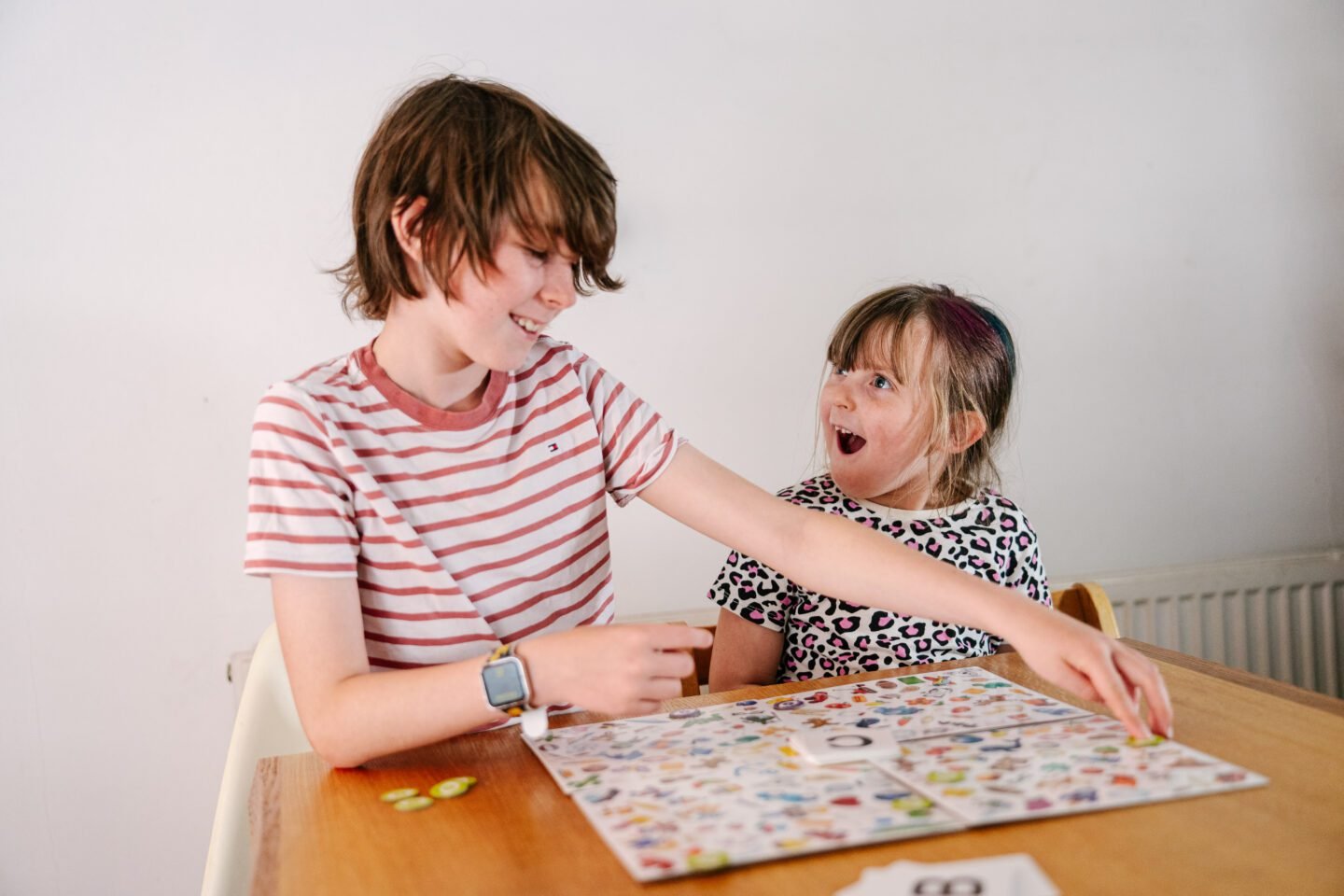
How To Play Eye Spy With My Little Eye
The setup is really straightforward, so younger children can start playing almost immediately.
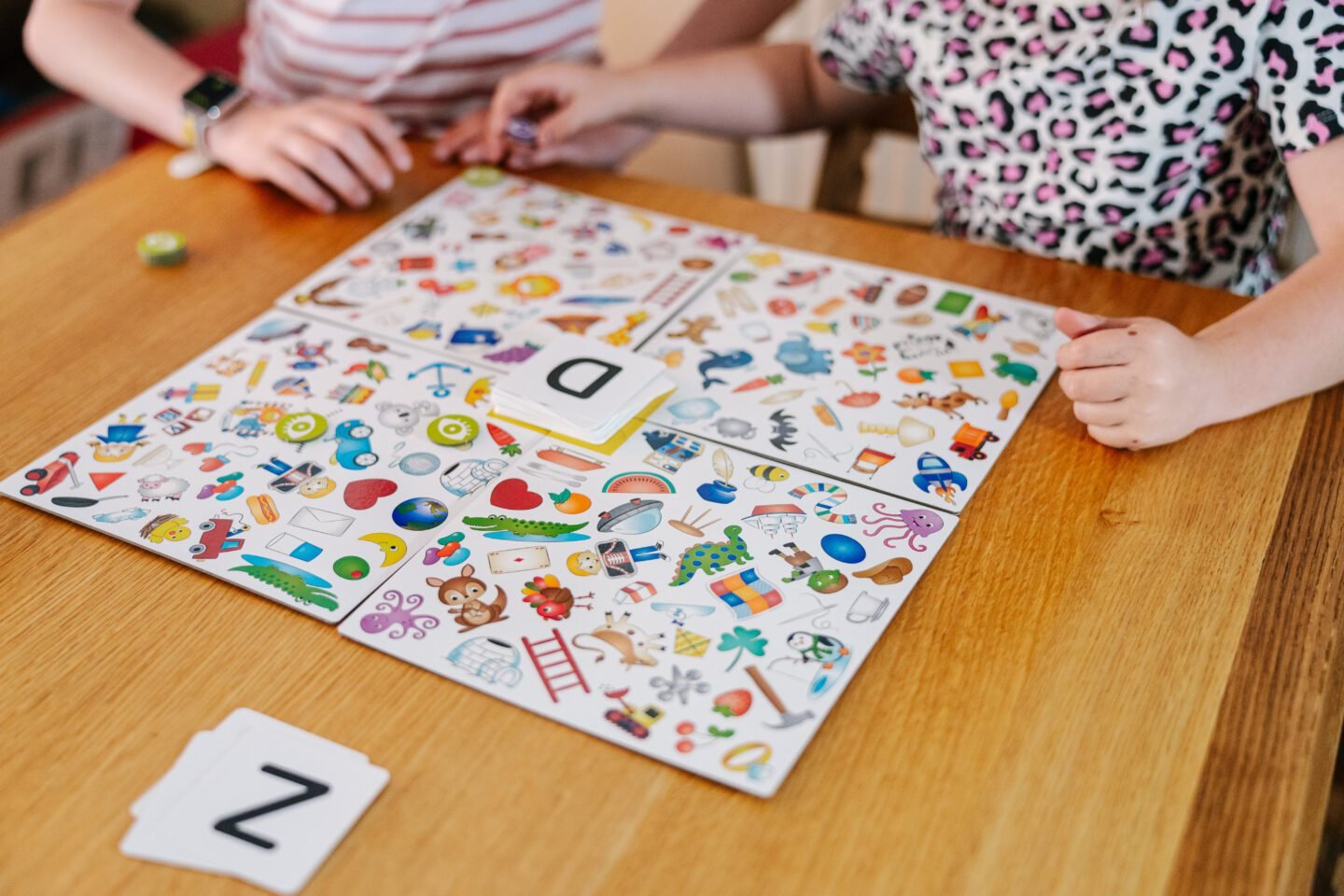
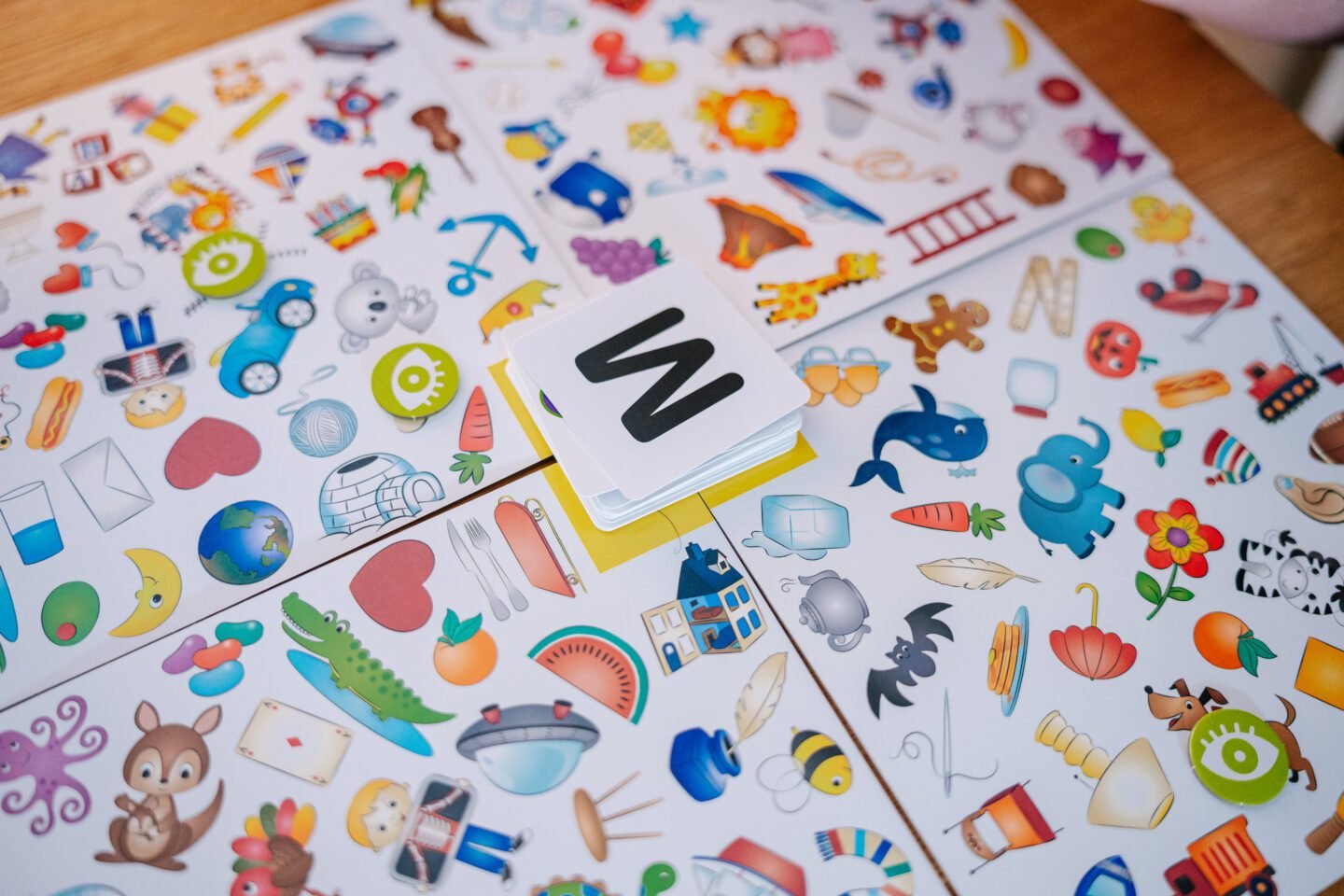
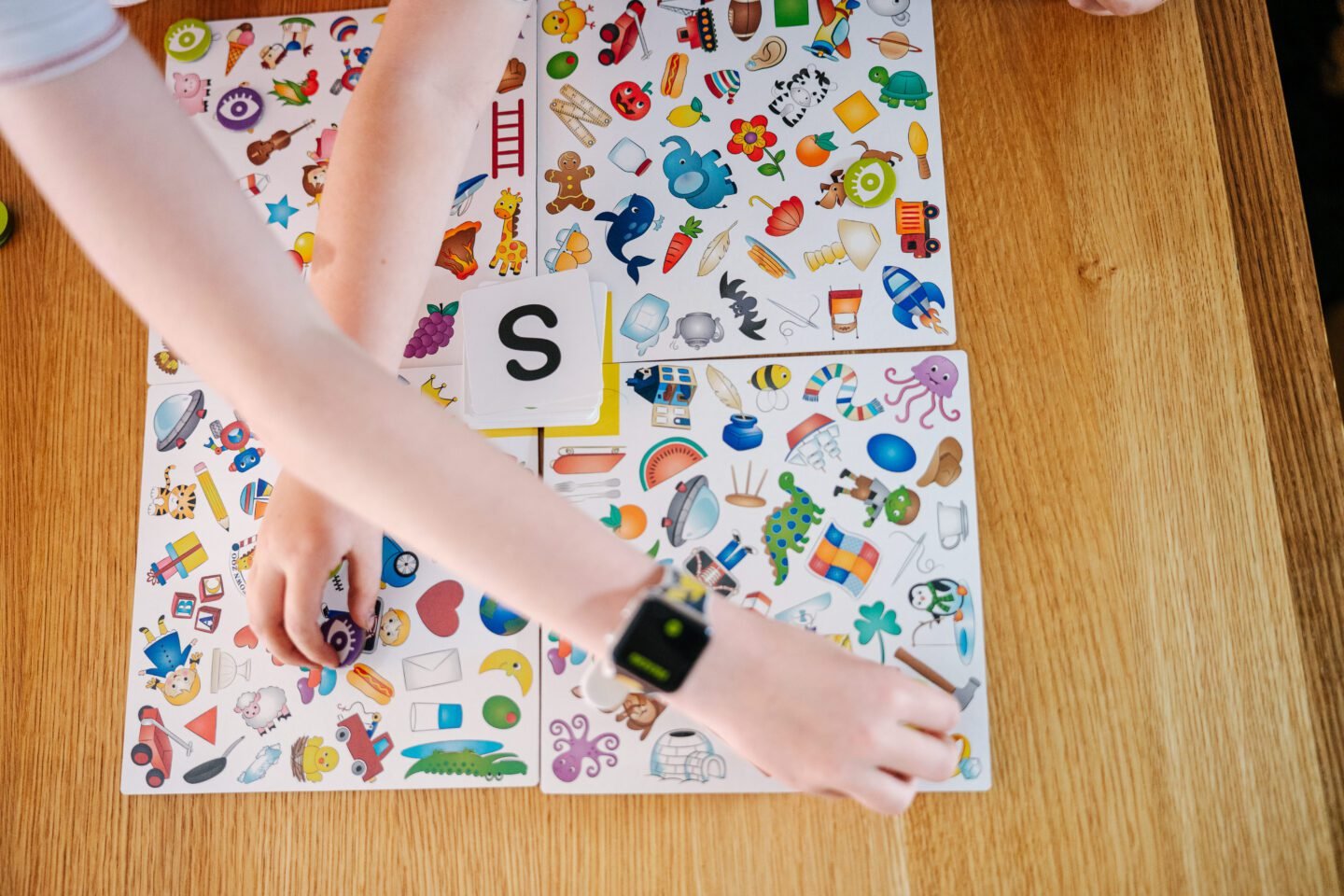
Players draw a letter card and race to find an object on the board beginning with that letter. The first player to correctly spot an item places one of their counters onto the board. The winner is the first person to place all 8 counters.
One feature I really like is that the game board is made up of four double-sided sections. You can swap the pieces around and turn them over into different combinations, which means the board layout changes every time you play.
That makes a huge difference for replay value because children can’t simply memorise where everything is. Even after several games, it still feels fresh and challenging.
Why This Game Works So Well For Different Ages
One thing I’m always looking for with family games is something that genuinely works across different age groups. There’s nothing worse than buying a game that’s too babyish for older children or too difficult for younger ones.
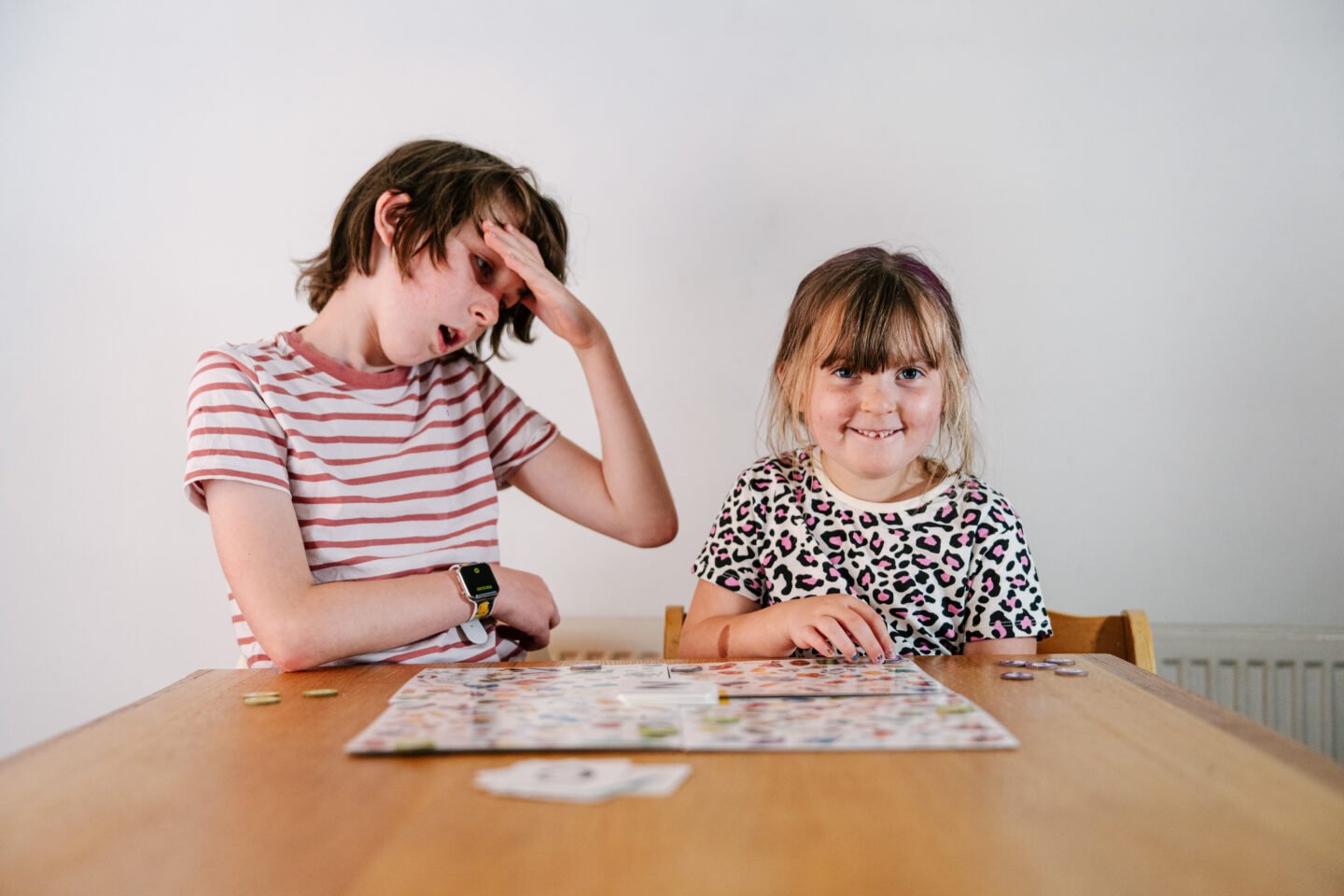
This one has worked brilliantly for both Elian and Effie for completely different reasons.
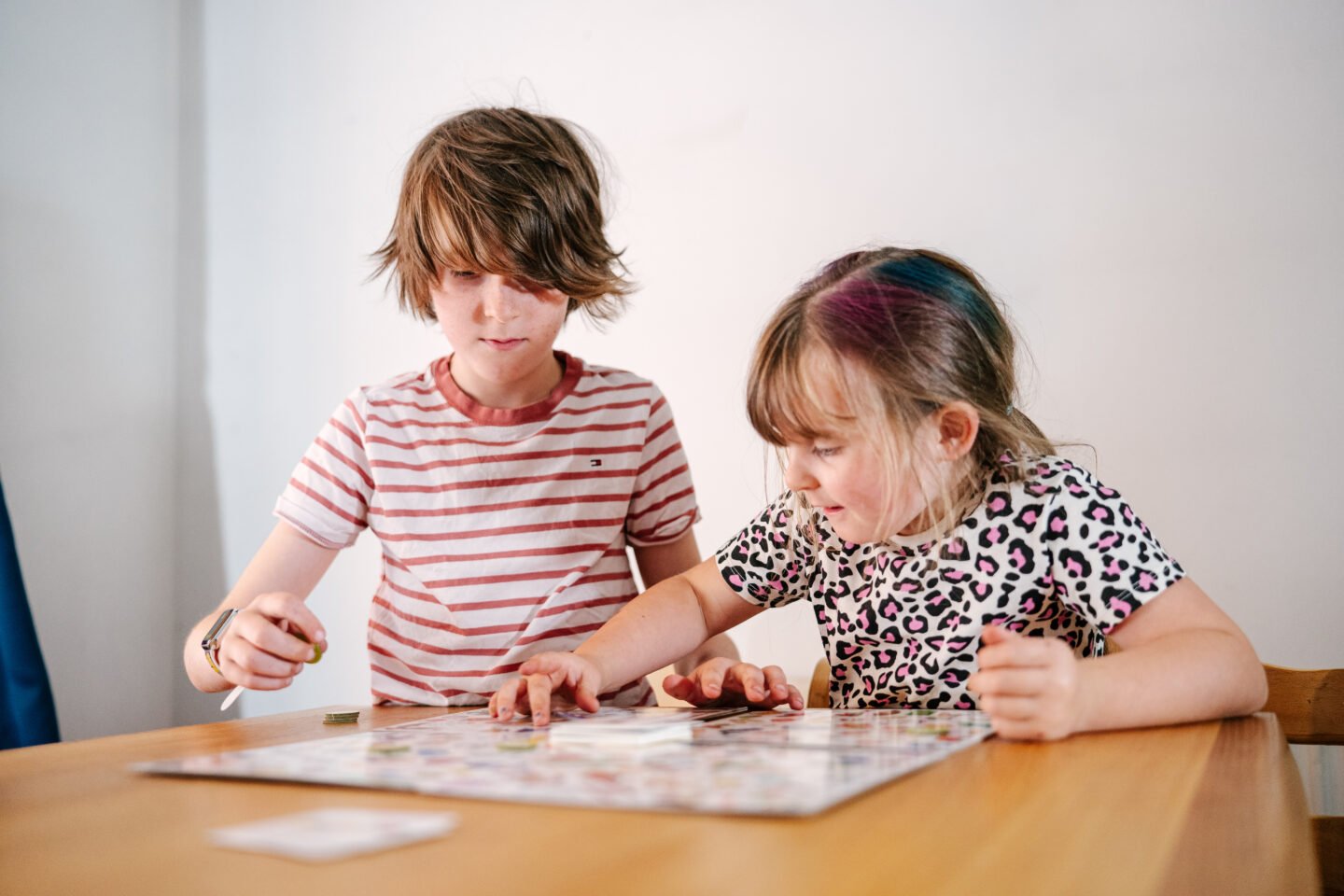
For Elian, aged 9, the fun comes from the strategy and thinking side. Some of the answers aren’t obvious, so it pushes him to think outside the box a little and look at images differently. He enjoys the challenge of finding clever answers quickly and trying to beat everyone else to it.
For Effie, it’s been brilliant for language and vocabulary building. She’s constantly hearing new words, describing objects and learning different ways to identify the same picture. It naturally opens up conversations too, especially when there are several possible answers for one image.
I also think it’s great for confidence. Younger children can join in without feeling like they’re getting everything wrong, which keeps the game enjoyable instead of frustrating.
The Educational Benefits Hidden Inside The Fun
I love games that feel educational without feeling like “learning time”, and this definitely falls into that category.
While playing, children are developing:
- Vocabulary and language skills
- Observation and visual recognition
- Quick thinking
- Communication skills
- Problem solving
- Flexible thinking and creativity
What stood out most to me was how often the children justified their answers. Instead of simply naming an object, they’d explain why they chose that word. Those little discussions are brilliant for language development.
It’s especially useful for children who enjoy word-based activities but may not naturally gravitate towards reading or writing tasks.
Because the game moves quite quickly, it also keeps attention spans engaged better than some slower paced educational games.
A Great Screen-Free Family Activity
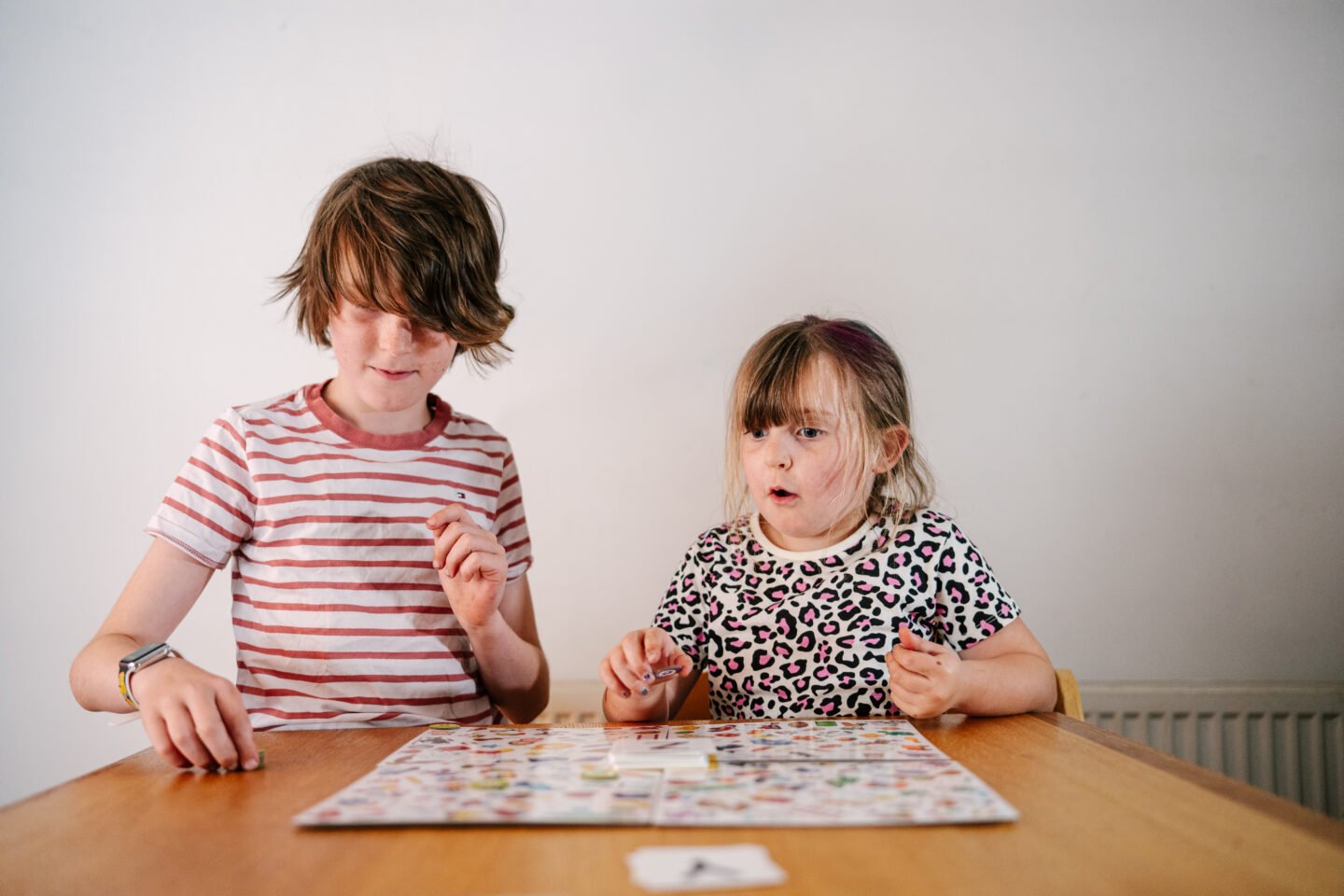
Finding activities that pull children away from screens without complaints can sometimes feel impossible. This game genuinely manages it because it’s interactive and fast enough to hold their attention.
It’s become one of those easy go-to games in our house because it doesn’t require loads of setup and works equally well for a quick half-hour game or a longer family evening together.
I also like that adults can properly join in rather than just supervising. Some children’s games can feel very repetitive after a while, but this one stays entertaining because every round is slightly different depending on the answers people come up with.
Would I Recommend Eye Spy With My Little Eye?
If you’re searching for a family board game that combines fun with learning opportunities, I genuinely think Eye Spy With My Little Eye Board Game is worth considering.
It’s easy enough for younger children to enjoy while still challenging older kids, and the open-ended style of answers keeps the game interesting rather than predictable. I also love that it naturally encourages vocabulary building and creative thinking without feeling educational in an obvious way.
For families with children around Effie and Elian’s ages especially, it hits a really nice middle ground where everyone can enjoy playing together without anyone feeling left out or bored.
I think this would also be a great addition for classrooms or home schooling. Making learning and education fun is half the battle sometimes, so gamifying education came make a big difference to children’s interest levels.