
Maintaining a thriving garden in Westchester County can be challenging, particularly due to the persistent issue of deer overpopulation. These animals are known for their voracious appetites, which can devastate local vegetation and disrupt the delicate balance of garden ecosystems. Effective Deer Control Westchester County ensures the protection of these green spaces, allowing gardeners to enjoy lush landscapes without the constant threat of deer damage. This article explores how strategic deer management can safeguard gardens, mitigate the impact of deer overpopulation, and promote sustainable practices within the community.
Effective Deer Control Strategies for Westchester County Gardens
The key to protecting gardens in Westchester County lies in employing effective deer control strategies tailored to the region’s unique landscape architecture. One approach involves implementing Integrated Pest Management (IPM) techniques, which focus on long-term prevention through habitat modification and the use of environmentally friendly deterrents. Additionally, Xeriscaping, a landscaping method that reduces the need for irrigation, can be combined with deer-resistant plants to minimize the attractiveness of gardens to deer.
Another effective strategy is the use of organic mulch types, which not only enrich soil quality but also act as a natural barrier to deter deer. Garden Bed Preparation plays a crucial role in this approach, ensuring that plants are less susceptible to deer browsing. Furthermore, landscape maintenance scheduling can be adjusted to monitor deer activity and implement timely deterrent measures.
For more insights into the effectiveness of deer control strategies, refer to Deer Control Westchester County, where local services provide tailored solutions for garden protection.
Impact of Deer Overpopulation on Local Vegetation
Deer overpopulation in Westchester County has significant implications for local vegetation. These animals often target tender plants, including those used in companion planting, a technique that pairs certain plants together to enhance growth and pest resistance. Unfortunately, deer can disrupt this synergy, leading to stunted plant growth and reduced yields.
The presence of deer also affects soil amendments, as their constant grazing can deplete soil nutrients, hindering the growth of various plant species. Furthermore, the plant hardiness zone of Westchester County plays a role in determining which plants are most vulnerable to deer. Understanding these dynamics is essential for gardeners looking to protect their vegetation from deer damage.
Recent research from the New York State Government emphasizes the need for strategic deer management to preserve local vegetation and maintain biodiversity.
Methods to Safeguard Gardens from Deer Damage
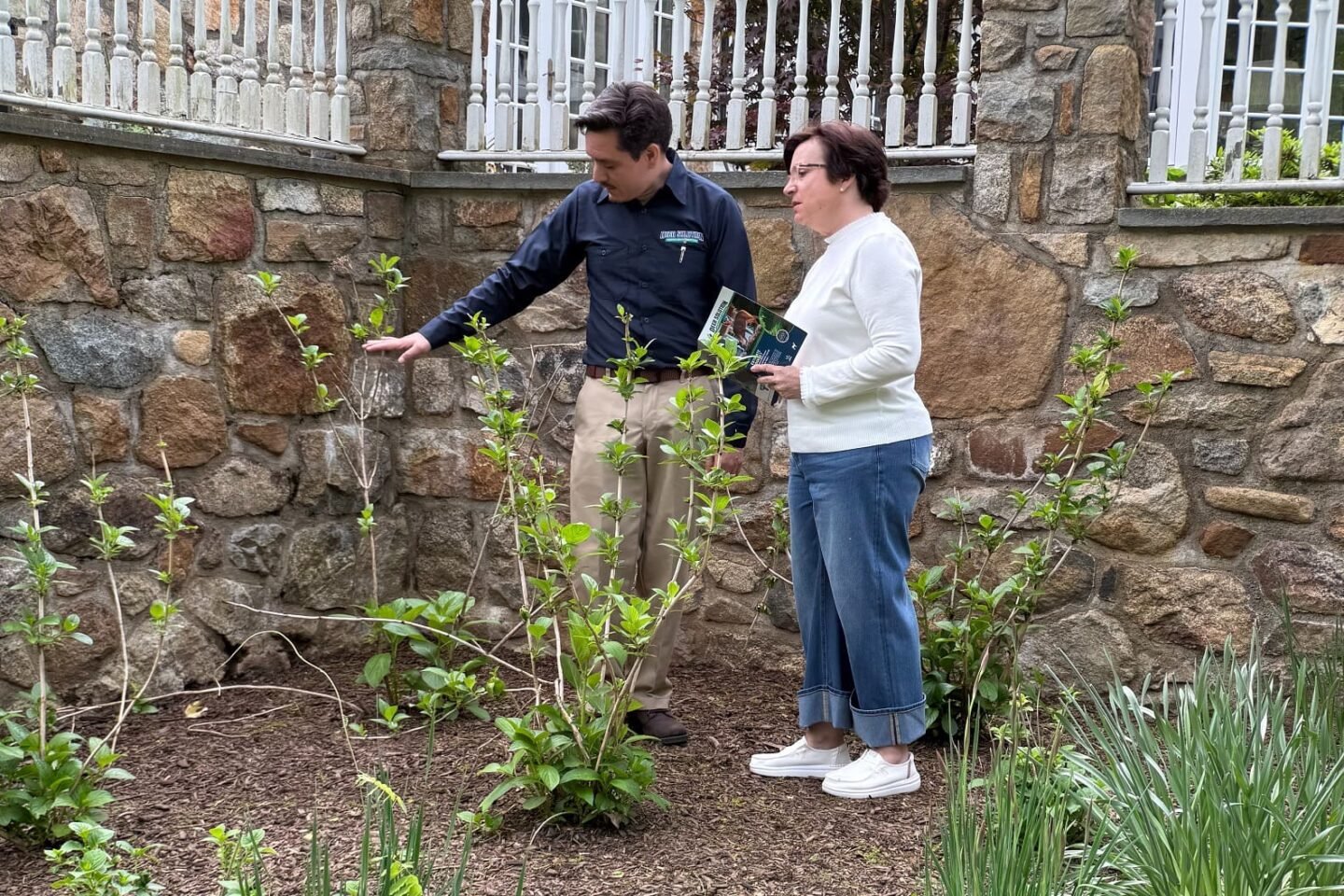
To effectively safeguard gardens from deer damage, homeowners can employ several practical methods. Hardscaping, the use of physical structures like fences and walls, provides a formidable barrier against deer intrusion. These structures can be strategically designed to blend with the garden’s biophilic design, enhancing aesthetic appeal while offering protection.
Another method involves conducting an irrigation audit to ensure that water sources do not inadvertently attract deer. Proper irrigation management can discourage deer from frequenting gardens, thereby reducing the risk of damage. Additionally, mulching techniques can be optimized to protect plant roots from deer while promoting healthy soil conditions.
For those interested in more advanced methods, perennial division techniques can be employed to create denser plant groupings that are less appealing to deer, thus reducing the likelihood of browsing.
Community Initiatives for Sustainable Deer Management
Community initiatives play a vital role in achieving sustainable deer management in Westchester County. Local gardening groups often collaborate to implement green waste composting practices, which enhance soil fertility and reduce the need for chemical fertilizers that might attract deer.
Moreover, communities can organize workshops on landscape architecture to educate residents on designing deer-resistant gardens. These initiatives not only protect individual gardens but also promote a collective effort to manage deer populations effectively.
By fostering community engagement and awareness, Westchester County can develop sustainable solutions that address deer overpopulation, ensuring the preservation of local gardens and ecosystems.
Conclusion
Effective deer control is essential for protecting Westchester County gardens from the challenges posed by deer overpopulation. By employing strategic management techniques and fostering community initiatives, local gardeners can safeguard their green spaces and promote sustainability. With the right approach, Westchester County can enjoy flourishing gardens that contribute to the region’s natural beauty and biodiversity.