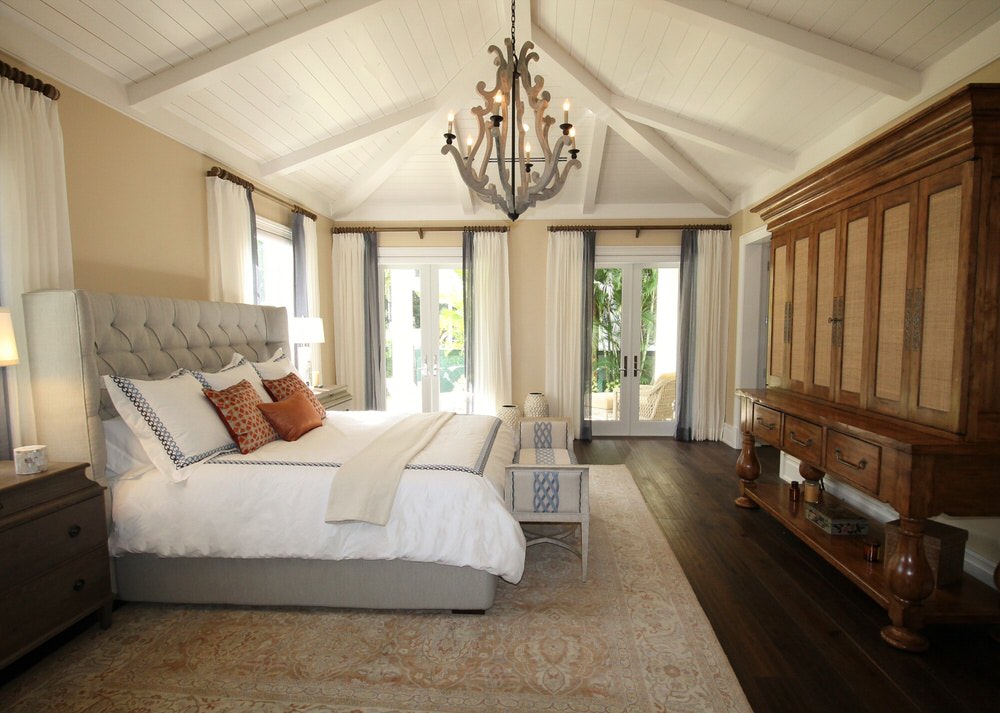
When we think about interior design, we focus on what we can see.
Colour palettes. Textures. Lighting. Furniture silhouettes. Natural materials. Statement pieces. Every detail is chosen to create a feeling — calm, warmth, sophistication, creativity.
But there’s one design element that rarely makes it into mood boards or Pinterest saves.
Air.
And yet, it may be the most important layer in your home.
As modern interiors evolve toward wellness-driven living, biophilic design, and multi-functional spaces, clean indoor air is becoming an essential — though invisible — component of thoughtful home design.
Designing for Wellness, Not Just Aesthetics
Over the past decade, interior design has shifted from purely visual appeal to holistic experience. Homeowners are asking deeper questions:
- Does this space support rest and recovery?
- Does it reduce stress?
- Is it safe and healthy for my family?
- Does it improve focus and productivity?
With more people working from home and spending extended time indoors, indoor air quality is no longer a secondary concern. According to environmental research, indoor air can often contain more pollutants than outdoor air — including dust, allergens, volatile organic compounds (VOCs), pet dander, and microscopic particles from cleaning products or furnishings.
Beautiful spaces are no longer enough. Today’s interiors must feel good as well.
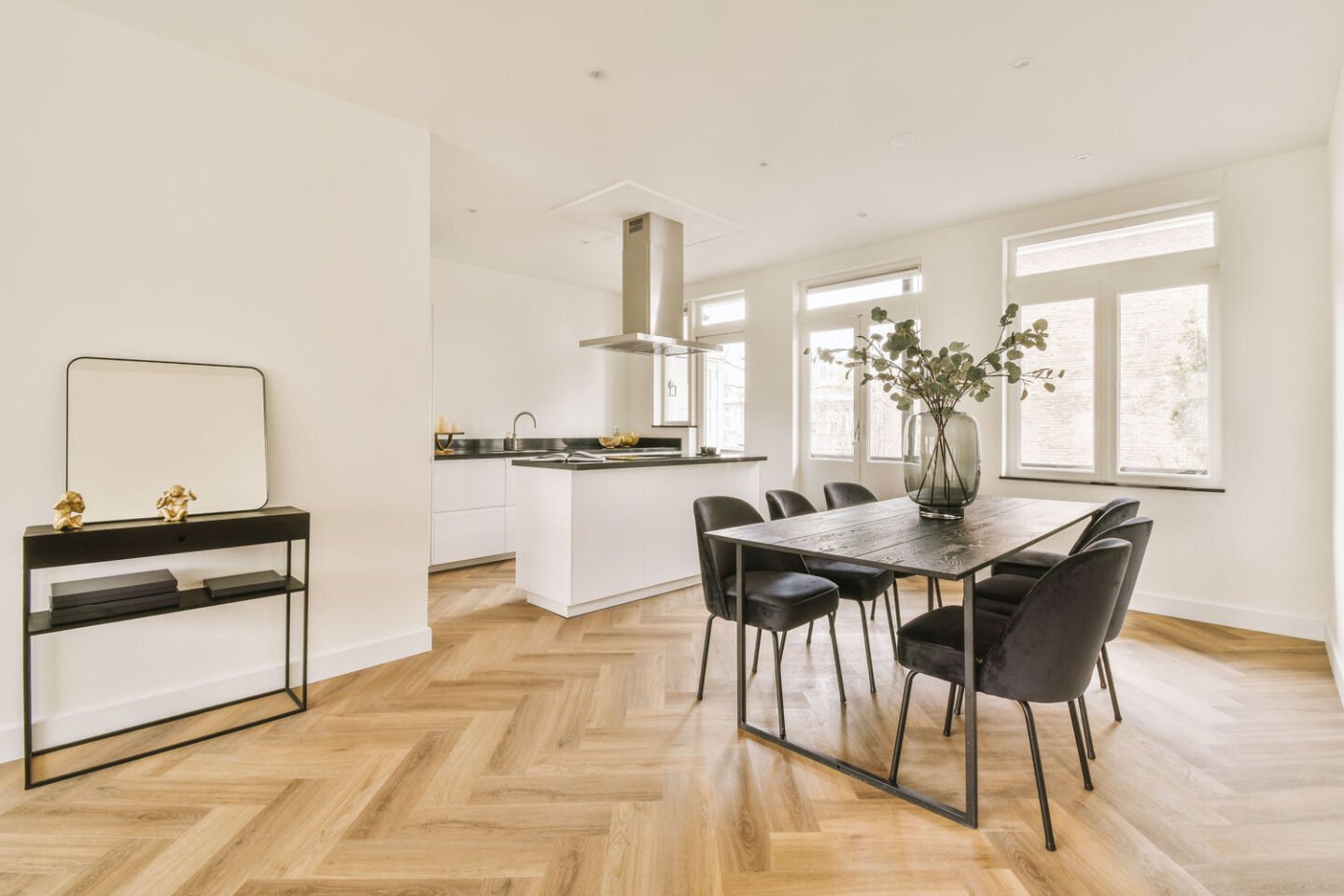
The Hidden Impact of Poor Indoor Air
Even the most meticulously designed room can fall short if air quality is compromised.
Poor indoor air may contribute to:
- Persistent fatigue
- Headaches
- Allergies and respiratory irritation
- Reduced concentration
- Sleep disruption
In design terms, this undermines the purpose of the space. A bedroom designed for rest should promote deep sleep. A home office should support clarity and productivity. A living room should feel fresh and welcoming.
Air quality quietly influences all of it.
Clean Air as a Design Decision
Just as lighting is layered (ambient, task, accent), air quality can be treated as a deliberate design choice rather than an afterthought.
Modern air purification technology has evolved significantly from bulky, noisy appliances that clash with curated interiors. Today’s systems are designed to integrate seamlessly into contemporary homes.
For example, advanced air purification systems like those developed by Molekule combine scientific filtration technology with minimalist, architectural aesthetics — making them suitable for open-plan living areas, bedrooms, or home offices without disrupting the overall visual harmony.
Rather than hiding appliances, designers can now incorporate them into the spatial narrative.
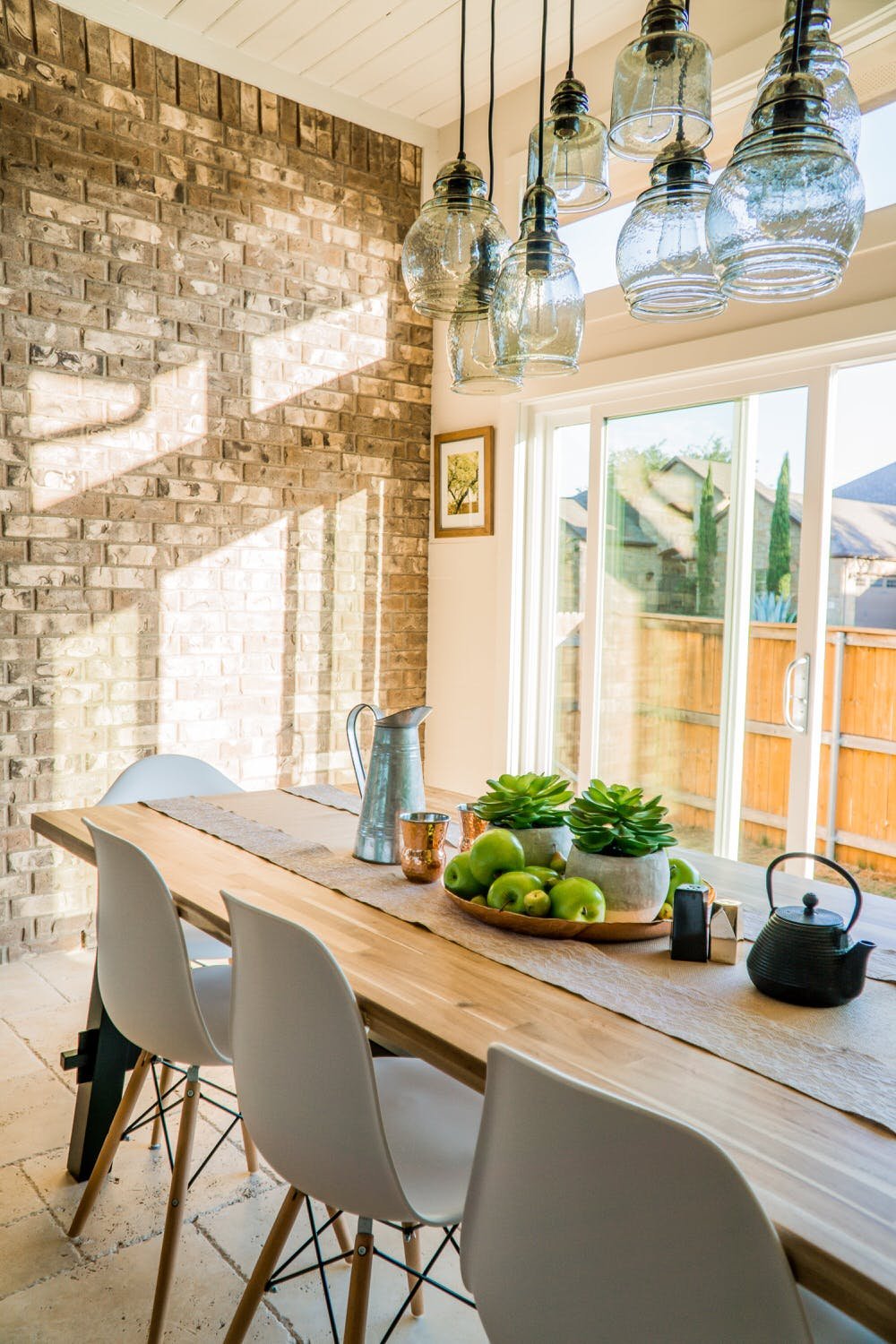
How Air Quality Supports Key Interior Trends
1. Biophilic Design
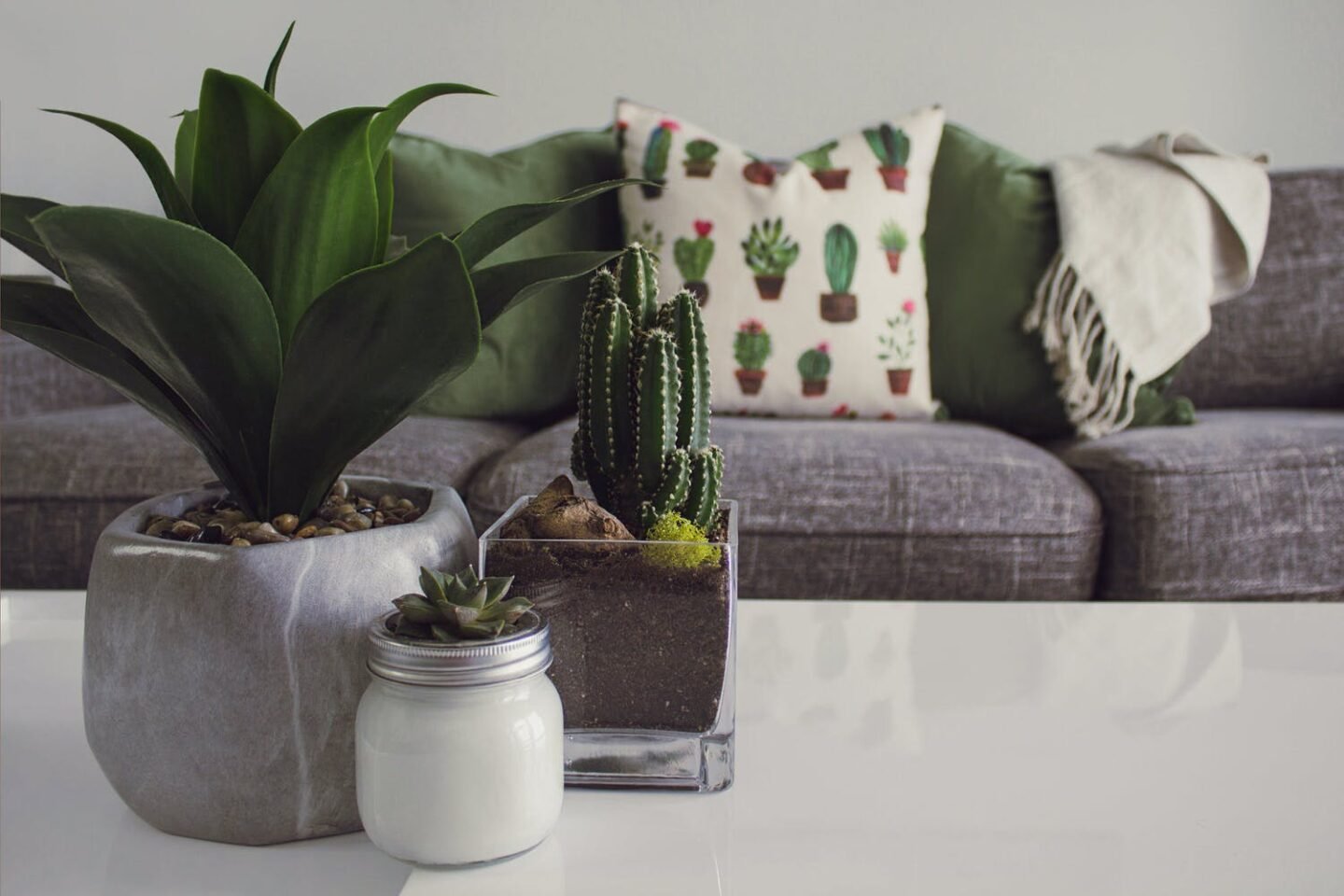
Plants are often introduced into interiors to create calm, improve mood, and reconnect with nature. However, plants alone cannot fully address airborne pollutants.
Pairing natural elements with intelligent air purification enhances the wellness intent behind biophilic design — creating a space that is both visually and physically restorative.
2. Open-Plan Living
Open layouts are popular for their flow and light. But they also allow cooking particles, dust, and airborne contaminants to travel freely.
Strategic placement of air purification systems ensures that open spaces remain fresh without compromising the openness that defines modern design.
3. Layered Textures and Soft Furnishings
Rugs, curtains, upholstered furniture, and layered fabrics add warmth and depth — but they can also trap dust and allergens.
Air purification works quietly in the background, helping maintain a clean atmosphere even in richly textured interiors.
4. Multi-Functional Rooms
Today’s homes often combine office, gym, playroom, and lounge in a single space. Each activity introduces different airborne particles — from workout dust to craft materials.
A consistent air filtration system ensures the room adapts safely to each function.
The Aesthetic Factor: Form Meets Function
One reason air purification was often overlooked in design conversations is that older models were visually intrusive.
Modern systems, however, are designed with interiors in mind:
- Clean lines
- Neutral colour palettes
- Sculptural silhouettes
- Compact footprints
- Quiet operation
Brands such as Molekule prioritise both technological performance and aesthetic refinement, making air purification a considered element of the room rather than an afterthought.
When chosen thoughtfully, these devices complement contemporary interiors rather than compete with them.
Creating a Health-First Design Approach
If you’re designing or refreshing your home, consider air quality as part of your foundation plan — alongside lighting, layout, and materials.
Here are practical steps to integrate clean air into your interior strategy:
Choose Low-VOC Paints and Finishes
Opt for products that minimise chemical emissions.
Incorporate Ventilation Where Possible
Natural airflow remains important, even with advanced filtration.
Balance Soft and Hard Surfaces
Too many fabric-heavy elements can increase dust retention.
Use High-Quality Air Purification
Select systems capable of filtering fine particles, allergens, and airborne pollutants effectively.
Maintain Regular Cleaning Habits
Even the best technology supports — rather than replaces — good home maintenance routines.
The Psychological Effect of Fresh Air
Design is emotional.
We notice how a room makes us feel long before we analyse its colour scheme or layout. Clean air subtly enhances that emotional experience. Rooms feel lighter. Breathing feels easier. The atmosphere feels clearer.
While it’s invisible, it’s deeply perceptible.
When guests walk into a home that feels fresh and balanced, they often can’t explain why — they just know it feels right.
That invisible quality is often air.
The Future of Interior Design: Invisible Performance
As sustainability, wellness, and smart-home integration continue shaping interior trends, the most forward-thinking homes will prioritise invisible performance as much as visible beauty.
Clean air, quiet technology, efficient systems — these are the new markers of considered design.
In this context, investing in advanced air purification solutions such as those offered by Molekule isn’t just about health. It’s about elevating the standard of what a well-designed home truly means.
Because true luxury isn’t just what you see.
It’s what you breathe.