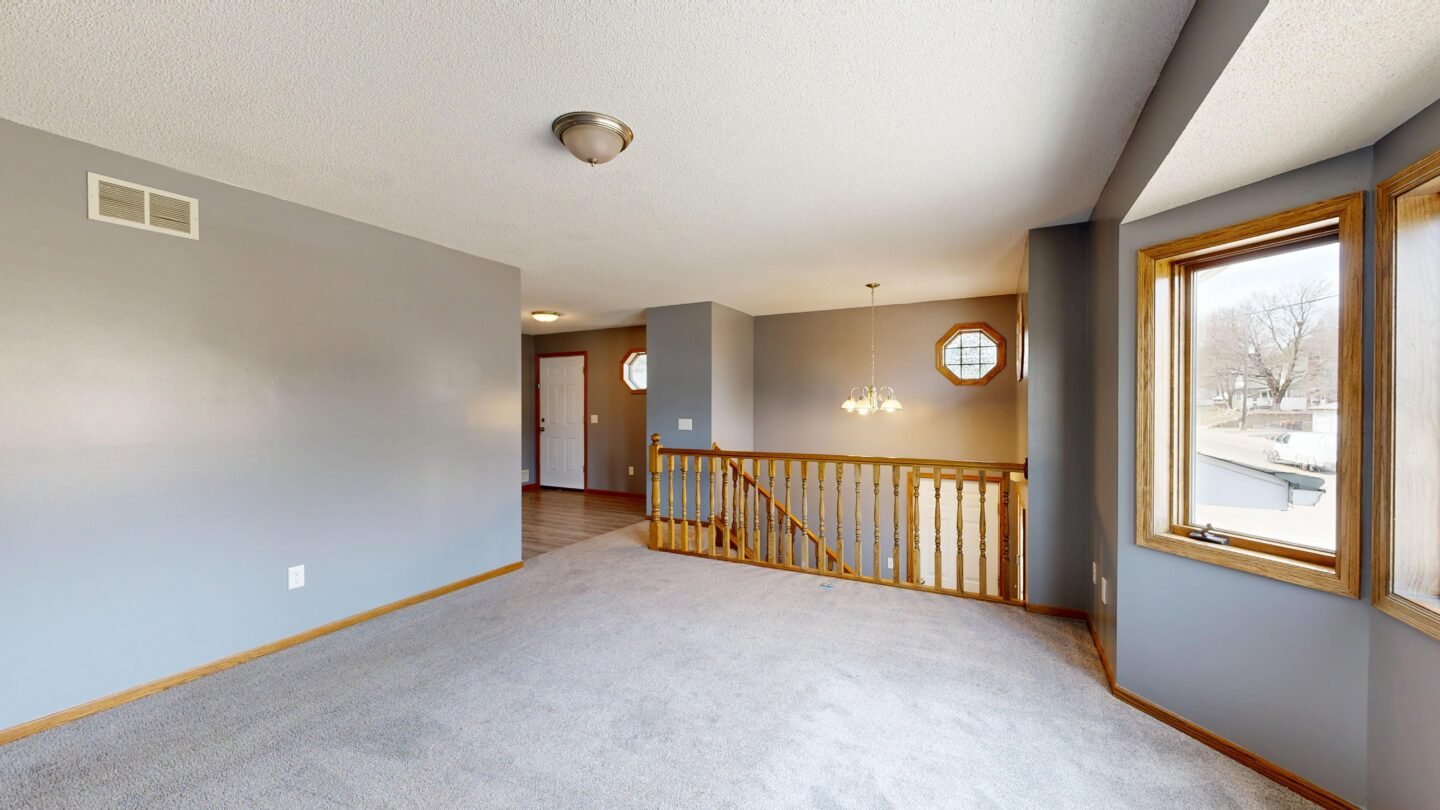
Moving into your first home often means making flooring decisions before the furniture is even in place. If the existing carpet is worn or missing, bedrooms, the lounge, stairs and landing can all need attention at once.
Wool and synthetic carpet both work well, but for different reasons. Wool suits buyers who value natural fibres, warmth and a springy feel. Some synthetic carpets can be easier to budget across multiple rooms and may suit busy areas where frequent cleaning is expected.
How Do Wool and Synthetic Carpet Differ?
Wool carpet is made from sheep’s fleece, either on its own or blended with man-made fibres. Wool is naturally resilient and has insulating properties that suit rooms where you want a cosy feel.
Synthetic carpet may be made from polypropylene, polyester or nylon. Feel, care and durability vary by fibre and construction, so check the specification of the carpet you are considering rather than treating every synthetic range as the same.
If you’re carpeting most of your first home in or around Manchester before furniture goes in, the full house carpet packages at Urmston Carpets let you plan the rooms together rather than treating each one as a separate flooring job.
- Wool: Suits buyers who prefer a natural fibre and are comfortable with more careful stain treatment.
- Synthetic: Suits buyers who want a broad choice of easy-care carpets for bedrooms, living areas, stairs and landings.
- Wool blends: Combine wool with man-made fibres and can give a different balance of feel, wear and care.
Which Makes More Sense When You Are Carpeting the Whole Home?
A first-home budget changes when you are covering five or six areas instead of one bedroom. A room measuring 3.5 metres by 4 metres has an area of 14 square metres, but stairs, landings, roll widths and cutting waste also affect the quantity needed.
When considering carpet full house deals, start with the rooms you need to cover rather than assuming every space needs the same fibre or pile.
- Wool throughout: Can suit a home where natural fibre and comfort matter more than keeping the initial spend down.
- Synthetic throughout: Can make the budget easier to manage when many rooms need carpet at the same time.
- A mixed plan: Can work if you want softer carpet in bedrooms and a harder-wearing construction on stairs or in family areas.
A professional fitter can flag where joins, stairs or awkward room shapes change the amount of carpet needed.
Which Handles Busy Home Life Better?
Will muddy shoes hit the hallway every day? Are you moving in with a dog, young children or both? Or are most carpeted rooms low-traffic bedrooms? Those details matter more than the fibre name on its own.
Some synthetic fibres are chosen for stain resistance and easier cleaning, while wool is known for resilience and its ability to recover after compression. Neither fibre is immune to marks, spills or wear.
- Hallways and stairs: Look for a carpet designed for heavier domestic use, whatever fibre you pick.
- Children and pets: Check the manufacturer’s cleaning guidance, especially if spills and muddy paws are part of daily life.
- Bedrooms: Softer pile and comfort may matter more here than stain resistance.
- Living rooms: Think about furniture weight and foot traffic before choosing the pile.
For both fibres, regular vacuuming and prompt spill treatment help with day-to-day care. Wool needs products that are suitable for wool, while synthetic cleaning guidance depends on the fibre and finish.
Which Feels Better Underfoot?
Wool has a springy texture and natural insulating properties. Synthetic carpets vary more. A dense twist can feel firmer, while a deeper Saxony can feel softer and more cushioned.
Underlay changes the finished feel too, so judge the carpet and underlay together rather than relying on a small hand sample.
- Bedrooms: Compare pile depth and density if softness is high on your list.
- Stairs: A very deep pile may be less suitable where stability and wear on each tread matter.
- Colder rooms: Carpet and underlay can both contribute to insulation over a cold floor.
- At home: Put samples where the carpet will go and stand on them rather than judging by sight alone.
Which Carpet Suits Each Part of a First Home?
You do not have to use one fibre everywhere. Matching the carpet to the room can make more sense than forcing one material across the whole property.
- Main bedroom: Wool or a soft synthetic can both work if comfort is the priority.
- Children’s bedroom: An easy-care synthetic may suit a room where spills and craft mess are more likely.
- Stairs and landing: Focus on a carpet made for heavier foot traffic and ask a professional fitter about the pile and backing.
- Living room: Wool can suit a quieter room where feel matters, while synthetic may fit a busier family space where easier cleaning is higher on the list.
If you expect to stay for many years, comfort and wear over time may carry more weight. In a starter home you expect to move from sooner, covering the rooms well without stretching the budget may matter more.
When Carpet May Not Be the Right Choice
Neither wool nor synthetic carpet needs to go into every room. In a bathroom, utility space or entrance where the floor gets wet often, a hard floor may be easier to clean and dry.
Replacing carpet can also wait if the existing floor covering is clean, secure and still in good condition. Keeping it for longer may leave more of your moving budget for repairs that need attention sooner.
- Wet rooms: Look at flooring made for regular moisture rather than forcing carpet into the space.
- Messy entrances: A washable mat or hard flooring near the door may be easier to manage.
- Serviceable carpet: Clean it first and see how it looks once the room is empty.
- Tight moving budget: Start with rooms where the carpet is damaged, heavily stained or missing.
What Should You Check Before Ordering?
For a first home, synthetic carpet is often the easier choice when you need to cover multiple rooms without putting as much pressure on your moving budget, or when easier cleaning matters in busy family spaces. Wool can suit you better when natural fibre, comfort and resilience carry more weight and you are happy with its care needs. A mixed approach can work too.
Before ordering, measure every carpeted room and note the stairs, landing and awkward recesses. Then take samples home and look at them in daylight and evening light before settling on a colour or pile.
- Measure the whole job: Add every room you plan to carpet, then have a professional measure the rooms and confirm the quantities and cutting plan.
- Check the room use: Match the fibre and pile to traffic, cleaning needs and comfort.
- Compare samples at home: Colours and textures can look different beside your walls, furniture and natural light.
- Plan the fitting stage: Arrange a professional fitter once you know which rooms are being done and when the property will be clear enough for the work.