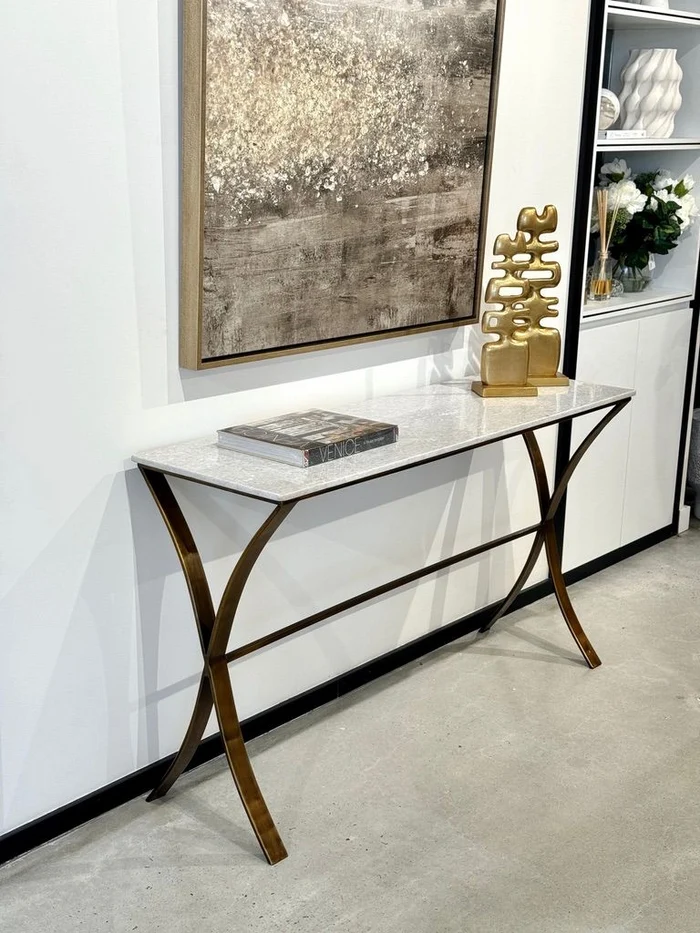
A console table is a practical piece of furniture that can fill an empty wall, define an entryway or add useful storage without taking up too much floor space. A console table in Osborne Park can be a stylish addition to a hallway, living room or entry area, depending on the home’s layout and furniture. With different materials, sizes, shapes and storage options available, choosing the right table starts with understanding how it will be used and the space available.
What Is a Console Table?
A console table is a narrow, generally long table designed to be placed against a wall, behind a sofa or in an entryway. Its slim profile makes it suitable for areas where a standard cabinet or larger table may feel too bulky.
Console tables can serve both decorative and practical purposes. A hallway table can provide a convenient spot for keys and other small items, while a living room console can hold lamps, books, framed photos or decorative pieces. Some designs also include drawers, shelves or cupboards for keeping frequently used belongings organised.
Which Types of Console Tables Suit Your Home?
Different console table designs offer varying levels of storage, durability and style. The best option depends on the room, existing furniture and how the table is expected to function.
- Timber Console Tables: Timber tables suit a wide range of interiors, from classic rooms to contemporary spaces. Different timber finishes can change the overall appearance, while a solid construction can provide reliable everyday use.
- Marble Console Tables: Marble creates a refined look and can work well as a statement piece in an entryway or living area. As natural stone can require specific care, check the manufacturer’s maintenance recommendations before making a choice.
- Console Tables With Drawers: Designs with drawers are useful when extra storage is needed. They can keep keys, paperwork, remotes and other small household items out of sight while keeping the tabletop uncluttered.
- Slim and Narrow Console Tables: Narrow designs are particularly useful in compact hallways and apartments. Their reduced depth allows a walkway to remain open while still providing a surface for everyday essentials.
- Mixed-Material Console Tables: Combining materials such as timber and metal can create a contemporary appearance. These designs can also make it easier to coordinate the table with other furniture finishes already used throughout the room.
 How Do You Choose the Right Console Table for Your Home?
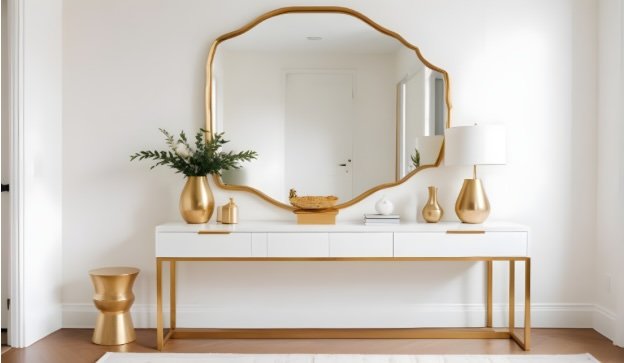 How Do You Choose the Right Console Table for Your Home?
Measure the Available Space
Start by measuring the wall or area where the table will be positioned. Take note of nearby doors, windows, power points and walkways so the furniture does not interfere with everyday movement.
Consider the Table’s Height, Width and Depth
The proportions of the table should complement the room and nearby furniture. A console positioned behind a sofa generally works well when its height is close to the back of the sofa, while a hallway table should leave enough room for people to pass comfortably.
Depth is especially important in smaller spaces. A table that extends too far into a walkway can make the area feel restricted, even if its width is suitable.
Choose a Material That Suits Your Lifestyle
The amount of use and maintenance involved can help determine the most suitable material. Timber is a practical option for busy areas, while marble can add a more refined look to spaces where the table is mainly used for display.
The console table should also complement the furniture already in the room. A timber top with a metal frame, for instance, can pair well with a leather sofa, especially when the room features a mix of different finishes and textures.
Consider How Much Storage You Need
Consider whether the console table will mainly serve as a decorative feature or also need to store everyday items. Drawers and lower shelves can be handy in entryways for keeping keys, wallets, mail and other small essentials in one place.
For spaces where storage is not a priority, an open console table may be a better choice. The simple design keeps the area feeling less crowded while leaving the tabletop free for lamps, photos or decorative pieces.
Match the Table to Your Interior Style
The console should complement the existing furniture rather than appear disconnected from it. Look at the colours, finishes, shapes and materials already used in the room before choosing a design.
A simple timber table can suit a relaxed interior, while a marble or mixed-material option may work better in a more contemporary setting.
Consider the Table’s Shape and Proportions
Straight rectangular console tables are versatile, but they are not the only option. Designs with curved edges and rounded corners can also work well in the right setting. The shape you choose should complement the lines and forms of the surrounding furniture.
Proportion matters just as much as appearance. A very small console may look lost against a large wall, while an oversized design can overwhelm a narrow space.
Final Thoughts
A suitable console table should complement both the available space and the way the room is used. Measuring carefully, considering storage needs and choosing a suitable material can make the selection process easier. Whether furnishing a hallway, adding something to a living room or creating a useful surface behind a sofa, a well-chosen console table can provide practical function without overwhelming the space.
Frequently Asked Questions
What is the main purpose of a console table?
A console table provides a narrow surface for display, storage or everyday items. It is commonly used in hallways, living rooms, dining areas and entryways.
Can a console table go behind a sofa?
Yes. A console table can be positioned behind a sofa when its proportions suit the furniture and there is enough space for movement around it. It can also provide a convenient surface for lamps, books and decorative items.
How much space should be left around a console table?
Enough clearance should be left to allow people to walk comfortably and open nearby doors or drawers. The exact amount depends on the room layout, furniture placement and table depth.
What materials are best for a durable console table?
Timber, metal and natural stone can all provide durable options when they are well made and properly maintained. The most suitable material depends on how the table will be used and how much care it needs over time.
Can a console table work in a small hallway?
Yes. A slim and narrow console table can be a practical choice for a compact hallway. Choosing a shallow design helps preserve walking space while still providing a useful surface for everyday essentials.