Working from home sounds like the dream… until you realise your “office” is actually the corner of the living room, a spot at the kitchen table, or a tiny alcove under the stairs. If you’re short on space but still want a practical (and stylish!) work area, you’re not alone. Many small business owners, parents working from home, and bloggers are in the same boat — juggling laptops, paperwork, and Zoom calls without a dedicated office room.
The good news? You don’t need a huge space to create a home office you’ll actually want to spend time in. With a little creativity, some clever storage, and a few personal touches, you can design a small home office that’s both functional and inspiring.
Here are 10 home office ideas for small spaces to help you get started.
1. Choose the Right Desk for Your Space
The desk is the foundation of your home office, and in a small space, choosing wisely is essential. Instead of a bulky, traditional office desk, look for compact designs that maximise every inch.
-
Fold-down wall desks are brilliant if you need flexibility. They can be folded away at the end of the day so your workspace doesn’t take over your living area.
-
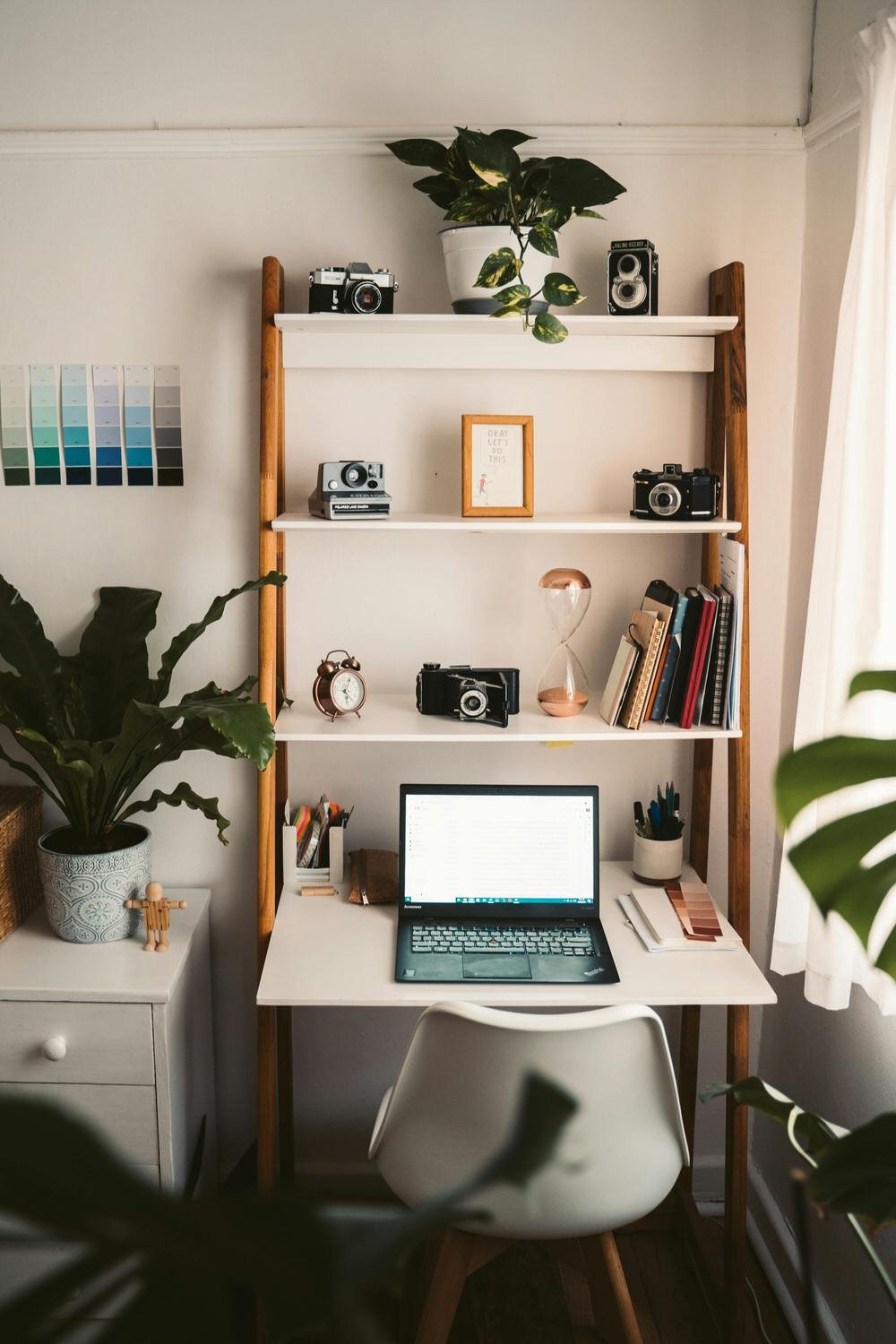
Ladder desks lean neatly against the wall and usually come with shelves above, making them ideal for bloggers or creatives who need storage without a heavy footprint.
-
Corner desks make the most of awkward nooks, such as alcoves or under-stair spaces.
Don’t be afraid to get creative. Console tables, slim dressing tables, or even sturdy floating shelves can double as desks. The key is to measure carefully before buying and think about cable management — a small desk with messy cords won’t feel tidy.
2. Think Vertical, Not Just Horizontal
When floor space is limited, the walls are your best friend. Going vertical with storage frees up valuable desk space and makes your workspace feel bigger.
Some practical ideas include:
-
Floating shelves for books, notebooks, and decorative items.
-
Pegboards or rail systems to hang stationery pots, headphones, or small baskets for cables.
-
Wall-mounted magazine racks to file paperwork neatly.
You can also style shelves with a mix of decorative items and practical storage. For example, pair a box file with a framed print or add a plant between your storage baskets. This creates a space that’s not just functional but visually uplifting too.
3. Add Multifunctional Furniture
When you’re tight on space, every piece of furniture needs to earn its spot. Opting for multifunctional pieces means you get more from less.
-
A storage ottoman can act as seating and hide away paperwork, craft supplies, or even kids’ toys if your office shares space with family life.
-
A bookshelf can hold reference materials, display décor, and provide storage baskets for office supplies.
-
A filing cabinet with a flat top can double as a printer stand or side table.
If you’re in a rental or a studio apartment, look for furniture with wheels that can easily be moved around. A rolling storage unit can hold office essentials during the day and be tucked out of sight in the evening.
4. Bring in Clever Storage Solutions
Clutter is the quickest way to make a small space feel chaotic. Having smart storage systems keeps everything in order and helps your workspace feel calm and productive.
-
Use desk organisers to keep pens, post-its, and stationery tidy.
-
Drawer dividers are brilliant for cables, chargers, and tech accessories.
-
A rolling cart is a versatile option — it can hold your printer, files, or craft supplies and be wheeled away when not needed.
Don’t forget under-desk storage too. Slim drawer units, fabric boxes, or baskets can slide neatly under your workspace. For paperwork-heavy businesses, colour-coded folders or labelled boxes are worth their weight in gold.
5. Use Lighting to Define Your Office Space
Lighting isn’t just practical — it sets the mood and defines your workspace. Good lighting can even help you feel more alert and focused.
-
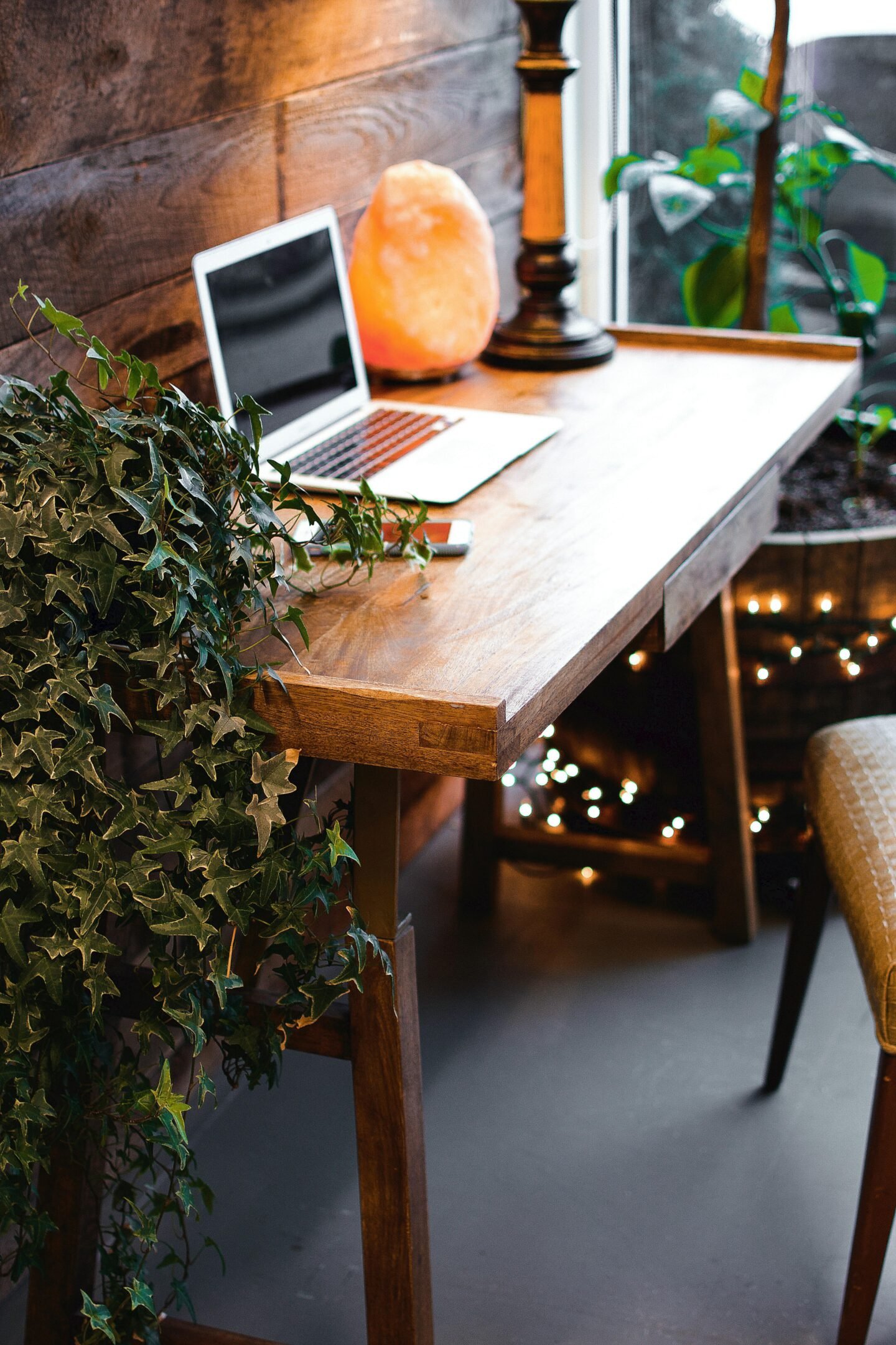
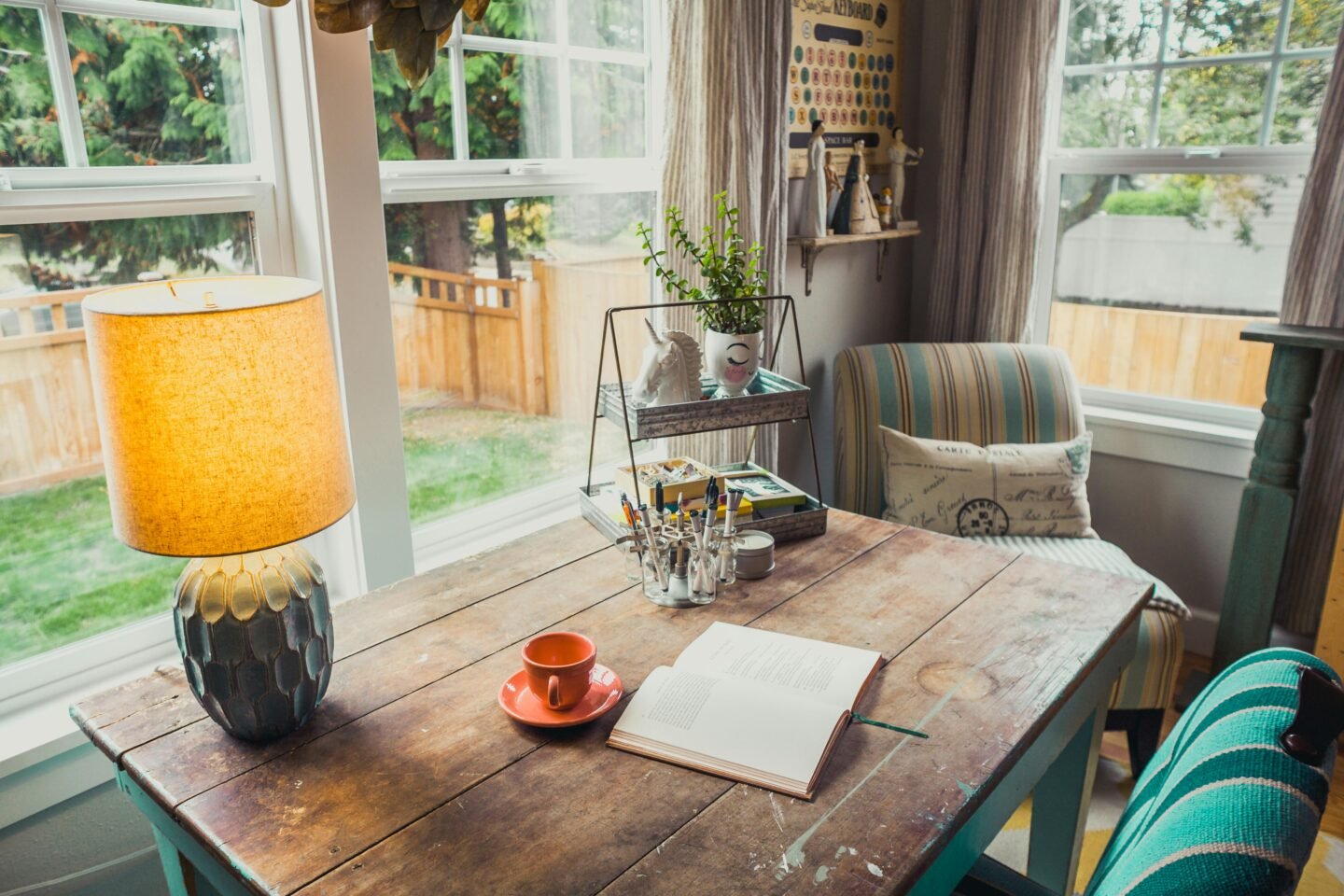
Task lighting: A small desk lamp or clip-on light ensures your work area is well-lit, even if the rest of the room is darker.
-
Ambient lighting: A warm glow from a floor lamp can soften the space, making it feel more inviting.
-
Natural light: If possible, position your desk near a window. Exposure to daylight improves productivity and reduces eye strain.
For rooms without much natural light, daylight lamps can mimic sunshine — a lifesaver in winter months.
6. Zone Your Workspace
If your office shares space with your bedroom, living room, or dining area, zoning can make it feel like its own distinct area. This not only looks better but also helps you mentally switch into “work mode.”
-
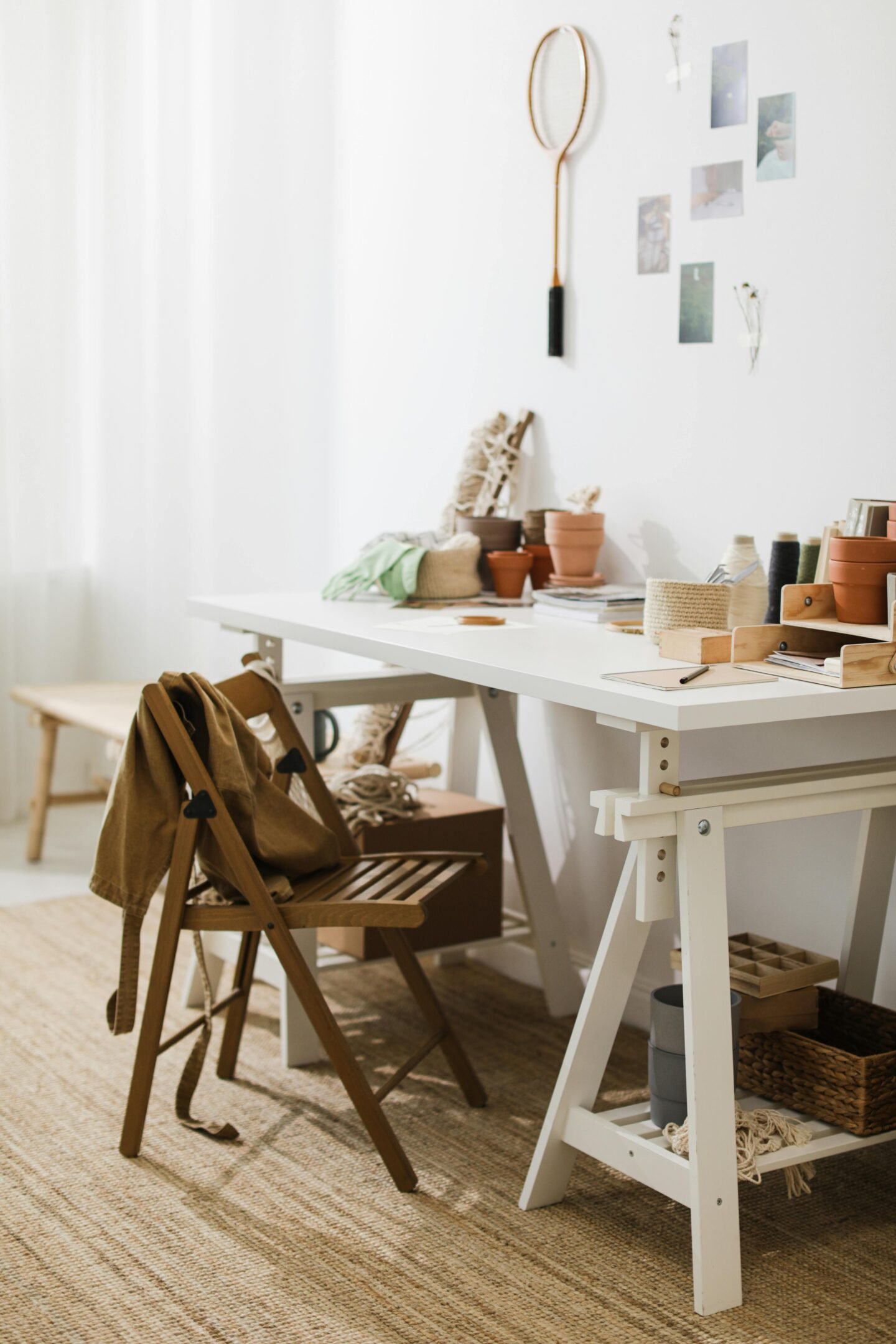
Place a small rug under your desk to mark out the office area.
-
Use a room divider or folding screen if you want to hide your desk at the end of the day.
-
Consider painting the wall behind your desk in a contrasting colour to visually separate it.
Even in the tiniest spaces, zoning is possible. A curtain hung from the ceiling can create a semi-private office nook, while wallpaper or a gallery wall can make a desk area feel intentionally styled.
7. Add Personal Touches with Wall Art & Décor
One of the biggest mistakes when setting up a home office is forgetting to make it yours. Your workspace should motivate and inspire you — especially if you spend hours there.
-
Create a gallery wall of prints, family photos, or motivational quotes.
-
Pin up a vision board or corkboard where you can add goals, ideas, or creative inspiration.
-
Choose artwork and accessories that reflect your personality.
Even small details like matching pen pots, framed prints, or a patterned mouse mat can make your office feel more cohesive and uplifting. If you’re someone who thrives on seasonal changes, swap out décor a few times a year to keep your space fresh.
8. Don’t Forget Comfort
Comfort is often overlooked in small spaces, but it’s crucial for productivity and wellbeing.
-
Invest in a good ergonomic chair — your back will thank you. If space doesn’t allow for a full office chair, add a lumbar cushion to a dining chair.
-
Layer in comfort accessories like a seat cushion, footrest, or even a soft throw blanket.
-
Pay attention to ergonomics: your screen should be at eye level, wrists supported, and posture upright.
Comfort also extends to rituals. At the end of the day, folding a throw over your chair or closing your laptop helps signal the transition back into “home mode.”
9. Incorporate Greenery
Plants are one of the easiest ways to breathe life into a small workspace. Not only do they look good, but studies show they reduce stress and improve focus.
-
Place a small potted plant on your desk.
-
Use hanging planters if you’re short on surface space.
-
A tall floor plant can soften the edges of the room and make it feel more balanced.
If you’re not confident with real plants, faux greenery can give the same effect without the upkeep. For families with young kids or pets, this is often the safer option too.
10. Keep It Flexible
Not every home allows for a permanent office setup, and that’s okay. Flexibility is key in small spaces, especially for parents or renters.
-
A foldaway desk can be packed up at the end of the day.
-
A laptop stand allows you to move between rooms easily.
-
Baskets or tote bags can store office essentials and be tucked into cupboards when not in use.
Rolling carts are another winner here. They let you keep all your supplies in one place but move them wherever you need — handy for bloggers or crafters who split time between different rooms.
FAQs About Home Office Ideas for Small Spaces
What’s the best desk for a small home office?
Ladder desks, wall-mounted foldaway desks, or slimline writing desks are great choices. Look for one that maximises vertical space without taking up too much floor.
How do I make a home office in my bedroom look stylish?
Choose furniture that complements your bedroom décor and use rugs, artwork, or lighting to define the space. Keeping colours cohesive helps it blend in seamlessly.
How do I keep my small home office organised?
Invest in organisers and make use of vertical storage. Keeping everything tidy not only looks better but also saves you time searching for things.
Do I need a separate room to have a home office?
Not at all! Many people successfully work from a desk in the corner of a living room, hallway, or even under the stairs. It’s all about making the area feel intentional.
What’s the cheapest way to set up a home office?
Start simple: a compact desk (or repurpose a table), a comfortable chair, and good lighting. Add storage and décor as your budget allows.
Should my home office desk face a window?
If possible, yes — natural light can boost your mood, energy, and focus. Facing a window can also give your eyes a much-needed break from the screen. However, be mindful of glare on your computer. If direct sunlight is an issue, angle your desk sideways to the window instead of directly facing it, or use a blind to filter the light.
IF YOU LIKED THIS POST YOU MIGHT WANT TO CHECK OUT ONE OF THESE TOO!
- The Small Details That Can Help Make A Big Difference To Your Home
- Top Home Buyer Tips for First Home Buyers in the UK
- Biggest Mistakes People Make When Moving House and How to Avoid Them
- Nursery Inspiration – Navy, Grey and Orange Nursery Inspiration
HAVE YOU ENJOYED THIS POST AND FOUND IT USEFUL? HERE ARE SOME WAYS YOU CAN SAY THANKS AND SUPPORT TWO HEARTS ONE ROOF
- Pin this post to Pinterest using the Pinterest image provided
- Leave me a comment
- Share this post with friends on Facebook or Twitter
- Buy me a cuppa
- Follow us on Facebook or Instagram. Interact with our posts if you see them, a simple like or comment is a huge help with algorithms
Those are definitely requirements I look for in a desk. I love having a big space but some reason it still never seems enough:p x
|Life as a Petite || Fashion, Crafts & Lifestyle Blog|
I think he will be like that no matter how big it is! Lol!
I’m really hoping its going to satisfy me for a while. I’m one of those people that if I’m working in a cluttered area, i get very agitated and can’t focus.
I’ve just revamped my desk space at home and it makes such a difference to my productivity and general working life. 🙂
It really does! I think him having a good uncluttered desk space will really help him
You definitely need a space which works for you if you will be spending hours in it x
Jon spends many hours editing photos so he really does need a good desk
Well, add to that searching ebay, gumtree and Facebook buy/sell sites when I’m meant to be “working” 😛
Definitely, now to work out how to integrate a lazy boy chair and il be happy!
As a university student, it’s rare I get a desk long enough to support everything I need! My last house had a full-wall-length one, and I made the most of it!
I had my laptop stand, two portable hard-drive stands (I store all my music on one and photos on another- I have a lot!), a large printer for printing assignments out, and a second monitor for when I need more than a few windows open at once for an assignment.
Unfortunately my new house doesn’t have a desk as big as I need, and so I’m looking for more compact ways to have everything I need on one smaller desk, so this post really made me quite jealous haha!
Hi felix! We used to have an ikea table top which was 2mx1m and was brilliant but it had no storage. I guess you’ll be looking at more of a tiered option then when it comes to having dual monitors, or have one on the wall with a swivel bracket. With the Canon Pixma Pro-1 photo printer (prints A3+), and the everyday workhorse canon multi printer comes a huge need for storing different paper sizes, envelopes, materials and tools for mounting larger pictures on thick card…… it seems endless. Can’t wait to get it all set up and share.
I could really do with a desk. I spend most my day at the pc. My pc is literally balancing on a chair lol Yep need to invest! Great post . x
Oh you sound like you really do need one. I use a laptop so just work where ever but a desk would make life easier!