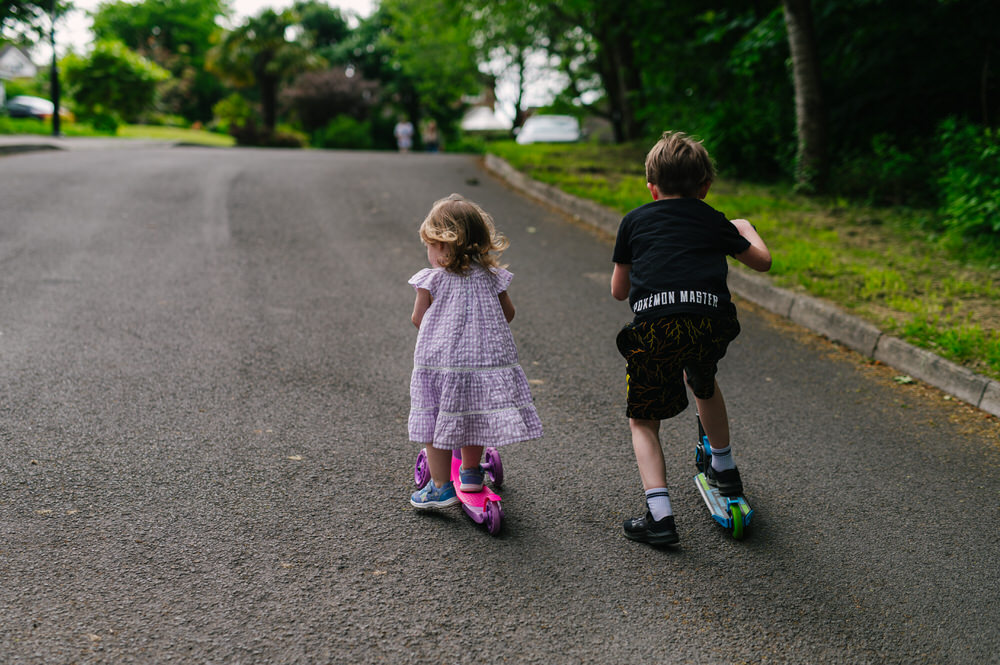
Kids don’t need a gym membership to move more. They need reasons to move that don’t feel like exercise. Here’s how to build activity into everyday routines without a single lecture about health.
The Numbers Don’t Lie
Most kids aren’t hitting the activity bar. Only 20% to 28% of children ages 6 to 17 get the recommended 60 minutes of daily physical activity, according to the 2024 U.S. Report Card on Physical Activity for Children and Youth. That’s a national grade of D-. It hasn’t budged much since 2016.
Screens are part of the story. So is the drop in organized sports participation. But the fix isn’t complicated. It just needs to be built into daily life, not bolted on as a separate task.
Turn Chores Into Challenges
Errands and chores are wasted movement opportunities if you let them be boring. Make them competitive instead.
- Race to see who can carry groceries inside fastest, without dropping anything
- Time how long it takes to fold and put away laundry
- Turn yard work into a scavenger hunt for specific leaves or rocks
- Assign point values to chores and let kids “level up” for a weekend reward
None of this needs new equipment. It just needs a timer and a little imagination.
Build a Backyard Obstacle Course
A backyard obstacle course teaches balance, coordination, and pacing. Use what you already own. Cones from a dollar store. Hula hoops. A jump rope. A chalk line for balance beams.
Rotate the course weekly. Kids get bored fast when the layout never changes. Add a stopwatch and let them race their own best time. This builds intrinsic motivation instead of relying on rewards.
Give Team Sports a Real Identity
Kids take activities more seriously when they feel like part of something. Uniforms matter more than adults think. A child wearing a real jersey, not a hand-me-down t-shirt, shows up differently to practice.
If your family is trying padel, a fast-growing racquet sport that mixes tennis and squash, gear makes the sport feel legitimate. A custom padel jersey gives kids a sense of ownership over the sport. It also makes casual weekend matches feel like something worth showing up for.
Padel courts are smaller than tennis courts. Rallies are longer. That means more running per point compared to tennis, which is useful if your goal is sustained movement rather than short bursts.
Make Screen Time Work For You
Banning screens outright usually backfires. Redirecting screen habits works better.
Dance-based video games get heart rates up fast. Augmented reality apps that send kids on outdoor scavenger hunts combine screen engagement with real walking. Fitness trackers designed for kids turn steps into a game with badges and streaks.
The goal isn’t zero screen time. It’s screen time that requires a body to participate.
Use Water as a Reset Button
Water play burns energy differently than land-based games. Resistance from water works muscles harder than kids realize.
A sprinkler and a chalk-drawn “lava floor” turn a backyard into a full workout. Pool noodle jousting builds core strength. Even filling and dumping buckets repeatedly builds shoulder and arm endurance in toddlers.
Track Progress Without Making It a Chore
Kids respond to visible progress. A paper calendar with stickers for active days works better than most apps for younger children. Older kids might prefer a simple app that logs minutes and streaks.
Keep the tracking light. The moment it feels like homework, kids disengage. The goal is a visual reminder, not a performance review.
The Bottom Line
Getting kids moving doesn’t require a strict schedule or expensive equipment. It requires making movement the path of least resistance. Turn chores into races. Build a course out of things you already own. Give sports like padel a real identity with proper gear. Redirect screen time instead of fighting it.
Small changes compound. A kid who moves an extra 20 minutes a day, every day, adds up to real fitness gains over a school year. That’s the actual goal, not a single big event, but a habit that sticks.