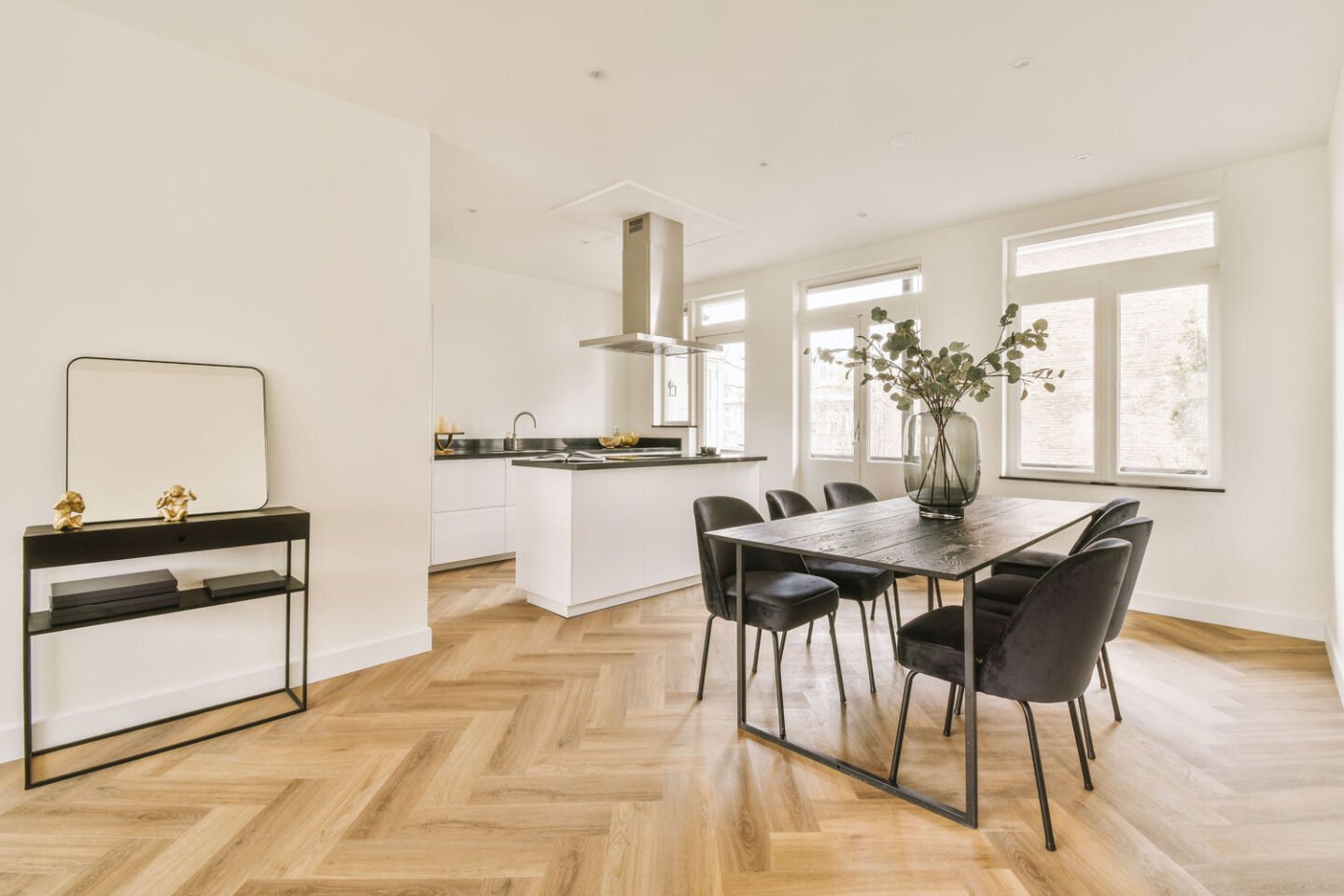
A home isn’t just a structure; it’s your quiet mornings, your lively dinners, your memories in motion. It’s where your story takes place, day after day. That’s why building a custom home isn’t only about what looks good. It’s about what feels right. The layout, the light, the flow, it all matters, and it should all say something about you.
If you’re planning to build from the ground up, here’s how you can make sure your dream home isn’t just beautiful, it’s personal, functional, and future-ready.
Start With How You Actually Live
Forget Pinterest-perfect layouts for a moment. Think about how your daily life flows.
Where do you start your morning? Do you work from home or need quiet corners for focused time? Are you the kind of family that ends up gathered in the kitchen, no matter how big the house is?
Use those patterns to guide your design. For example:
- A mudroom with storage near the entry can help keep things calm during the morning rush.
- A kitchen island that doubles as a homework space creates a connection during busy evenings.
- A window seat in a hallway might become your favorite quiet corner.
When you design your home around your lifestyle, the house becomes an extension of how you move, rest, connect, and grow.
Be Real About What You Need
Designing a dream home can bring out the over-planner in all of us. It’s easy to get caught up in “nice-to-haves” like wine cellars or extra-large soaking tubs. But will you actually use them?
Focus first on the things you know will add value to your everyday life:
- Storage that works with your routines
- Room layouts that fit how you live
- Lighting and ventilation that make your space feel open and easy
This is also where preventing custom home mistakes becomes important. A small decision like where to place outlets, how wide to make doorways, or whether to add a walk-in pantry can impact your comfort for years to come. That’s why professional advice is a must when building your home.
Choose professionals who can offer the kind of experience and insight that turns your vision into a well-thought-out reality. The right builder will help you ask the right questions early, spot any gaps in your plan, and suggest smart adjustments before the foundation is even poured. Their input not only improves the outcome, but it also saves you from frustrating changes later on.
Let Your Story Shape Your Space
A custom home gives you the chance to tell your story without saying a word. Maybe that means using reclaimed wood from your childhood home, or designing a cozy corner inspired by your favorite vacation spot.
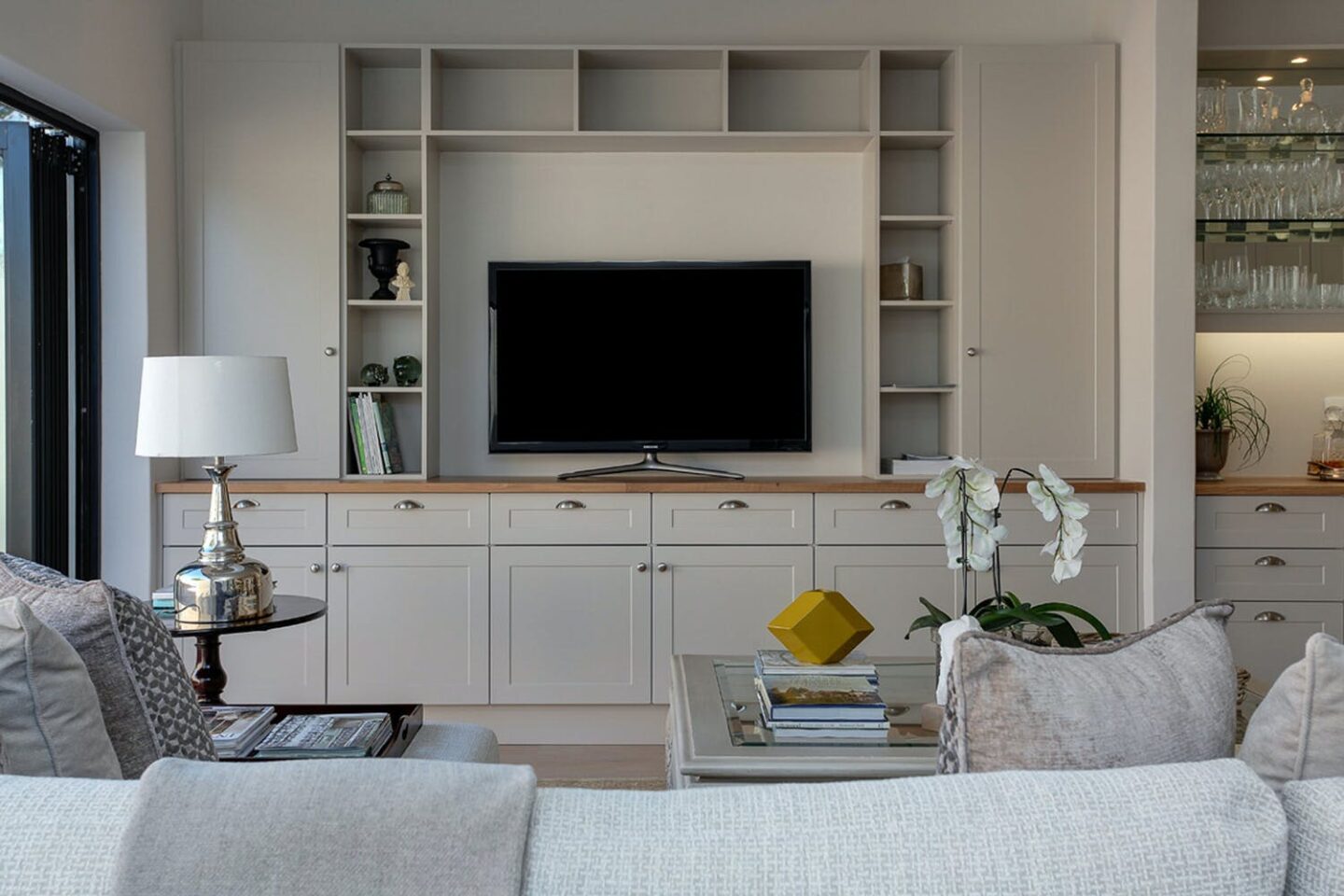
It could be as simple as planning a breakfast nook where sunlight streams in just right or creating a built-in bookshelf to display all the stories you’ve collected over the years.
These details may not impress every visitor, but they’ll mean everything to you. And that’s what makes the difference. Your home should reflect who you are and what matters most, not just what the magazines say is in trend.
Think About the Future You
It’s not just about what you need now. Life changes, and your home should be able to keep up.
Are you planning to expand your family? Do you expect to work from home more in the future? Will your parents stay with you for extended visits? It’s much easier (and more cost-effective) to design flexible spaces now than to renovate later.
Here are some smart things to consider:
- A guest room that can double as a playroom or office
- Wider hallways and doorframes for future accessibility
- Rooms positioned to allow privacy even as household dynamics change
The idea is simple: Design once, live well for years.

Bring in Professionals Who Really Listen
You might have a vision. Maybe even a folder full of sketches and notes. But bringing that vision to life requires more than good taste; it needs good guidance.
That’s why the builder you choose matters so much. You don’t just want someone who can follow plans. You want someone who asks the right questions, notices the missing pieces, and helps you bring everything together without losing sight of your lifestyle.
Experienced professionals can help take what’s in your head and make it practical, efficient, and lasting. They’ll walk through ideas with you, point out what may not work long term, and offer alternatives that do.
It’s not just about avoiding big issues. It’s about getting the small details right, too.
Concluding Thoughts
In the end, the most important thing is this: your home should feel like you.
It doesn’t need to be massive or filled with high-end materials. What matters more is how well it fits your life, how easily you can move through it, how comfortably it holds your moments, and how happy you feel waking up there every day.
When you design a home that reflects your story, your habits, and your values, it becomes more than just a house. It becomes the place where life really happens.