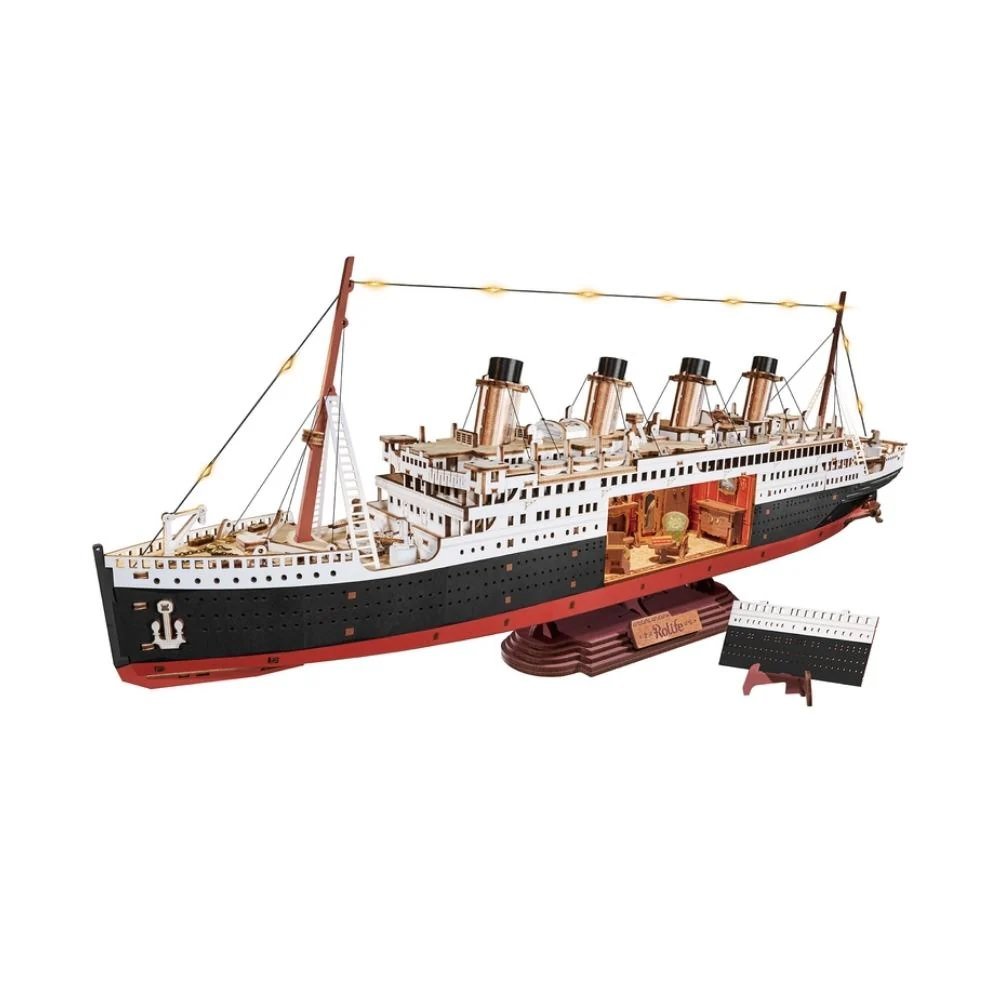
Advanced 3D puzzles test both your patience and your hands. Those tiny tabs, thin arches, and intricate lattice sections? They’re what make these builds so rewarding to complete, but they’re also the first things to snap if you’re not careful.
Here’s the thing: knowing how to handle delicate parts properly is what separates a clean, display-ready build from one that’s held together with wood glue and regret. This article walks through the right tools, correct technique, and smart finishing habits that protect fragile components from the moment you open the box to the day it sits on your shelf.

Setting Up Before You Touch a Single Piece
Your work surface and how you prepare it matter far more than most builders realise. Pick up creative 3D building puzzle kits and dive straight from the box into assembly without sorting parts first? You’ll quickly discover how badly things can go. A sorted, well-lit workspace significantly reduces accidental breakage before you even start joining pieces.
Sort by Fragility, Not by Number
Most instruction sheets list parts numerically. Fragility, though, doesn’t follow that order. Lay all pieces out and group the genuinely thin or narrow ones separately: filigree sections, single-tab connectors, and anything with a width narrower than 2mm get their own tray. You’ll never accidentally press down on a delicate arch while reaching for a structural base panel that way.
Good Lighting Is Non-Negotiable
Dim lighting makes you apply force in the wrong direction; it’s that simple. A desk lamp positioned low across the build surface reveals tab orientation and slot depth. Shadow and glare are what cause builders to snap tabs sideways instead of pressing them straight in. Try a 5000K daylight bulb at 45 degrees.
Keep Your Hands Dry and Clean
Moisture from your hands softens MDF and thin wood fibres. Wash and fully dry your hands before a session; keep a dry cloth nearby, too. Once you’ve been at it for more than 30 minutes, a quick dry-off prevents the gradual weakening of grip that leads to slips and breakage on finer parts.

Technique for Inserting and Removing Fragile Tabs
Most damage occurs during the actual assembly. Getting it right means controlled pressure, the right angles, and knowing when to stop pushing.
Press Straight, Never Twist
Twisting a tab into a slot multiplies the stress on the wood grain. Always press perpendicular to the slot face. If a tab won’t seat fully with finger pressure alone, place a flat-edged wooden block over the tab and press down with your palm; that spreads the force evenly and avoids cracking the tab’s neck.
Use Tweezers for Small Components
Any piece you can’t grip comfortably between two fingers needs tweezers. Flat-tipped, non-serrated ones give control without crushing; they’re especially useful for tiny decorative elements in recessed slots, where a finger simply can’t apply pressure accurately enough. Hold the piece at its thickest point, never by the tab itself.
Removing a Wrongly Seated Piece
This is where most breaks occur. Don’t pull straight up. Rock the piece gently from side to side, millimetre by millimetre, until the tab loosens. If it genuinely won’t move, slide a thin wooden skewer or an old guitar pick along the slot edge to release friction; then try removal again.

Finishing and Protecting Delicate Sections
Once assembled, fragile sections still need care, particularly if the build’s heading to display or being gifted. A finished piece that falls apart on the shelf is deeply disappointing.
Reinforce with PVA, Not Super Glue
Super glue turns brittle once cured. PVA (white woodworking glue) stays slightly flexible and bonds wood fibres without making the joint glass-hard. Apply it sparingly with a cocktail stick to joints that feel loose; a thin bead is all you need. Wipe any excess immediately with a damp cotton bud before it dries proud of the surface.
Sand and Seal Fine Edges
Exposed edges on thin decorative pieces chip easily with handling. A light pass with 400-grit sandpaper smooths rough fibres; a single coat of clear water-based varnish locks the surface. But don’t apply varnish to unassembled tabs, since it can swell the wood and make fitting impossible.
Display Positioning Matters
Even a perfectly built piece can warp or break at a structural weak point if you position it badly. Keep 3D puzzle builds away from direct sunlight and heat sources; both cause differential expansion in thin wooden sections. A flat display surface rather than a raised stand reduces tip-over risk on builds with a high centre of gravity.
Wrapping Up
Handling delicate parts in advanced 3D puzzle projects comes down to preparation, patience, and the right amount of force applied in exactly the right direction. Sort your pieces before you start; press tabs straight rather than twisting them; use tweezers where your fingers can’t give precision; and finish loose joints with PVA rather than brittle adhesives. Follow those habits and the fragile sections that define an advanced build’s character will survive assembly and look sharp on display.